Navigating the vibrant world of digital gaming in 2026 can feel overwhelming for busy adults balancing careers and family life. This comprehensive guide cuts through the noise to explain what is digital gaming, from its core definitions to its latest trends like social co-op and mobile dominance. Discover practical tips on optimizing your gaming experience, managing screen time effectively, finding budget-friendly upgrades, and connecting with communities without sacrificing your daily responsibilities. Whether you're a returning player or just curious about this evolving entertainment, we'll help you understand how digital gaming can be a rewarding, skill-building, and social outlet, perfectly integrated into a modern lifestyle. Explore solutions to common pain points like performance issues and game recommendations for limited play sessions, ensuring you get the most value for your time and money. This article is your go-to resource for staying current and enjoying the digital playground.
What is the core definition of digital gaming today?
Digital gaming in 2026 refers to any interactive entertainment played on electronic devices such as PCs, consoles, smartphones, or VR headsets. It encompasses a vast array of genres and experiences, from solo adventures to massive multiplayer online worlds, all delivered through digital mediums and often featuring online connectivity for updates, social interaction, and content delivery.
Why is digital gaming so popular among adults balancing jobs and families?
Digital gaming offers busy adults a flexible, accessible escape and a unique way to unwind, socialize, and engage their minds. It provides stress relief, opportunities for strategic thinking, and a sense of community. With mobile options, it fits into small time slots, allowing for relaxation and connection without disrupting work or family life, making it a perfect hobby for those with limited free time.
How has mobile technology shaped the current digital gaming landscape?
Mobile technology has profoundly democratized digital gaming, making it the most accessible and widely played segment. It enables gaming on-the-go, fitting seamlessly into busy schedules with quick play sessions. The dominance of mobile gaming has pushed for more intuitive interfaces, free-to-play models, and cross-platform compatibility, catering to a vast audience that includes casual players and dedicated enthusiasts alike.
Is digital gaming a good way to stay socially connected in 2026?
Absolutely. Digital gaming is a prime avenue for social connection in 2026. With integrated voice chat, in-game social hubs, and platforms like Discord, gamers can easily team up with friends, join communities, and even make new connections globally. Co-op and multiplayer games foster teamwork and communication, providing a meaningful social outlet for those who might have limited time for traditional in-person gatherings.
What kind of skills can you develop through digital gaming?
Digital gaming is a surprising crucible for developing a variety of valuable skills. Players often enhance problem-solving abilities, strategic thinking, quick decision-making, and critical analysis. Multiplayer games significantly improve communication, teamwork, and leadership skills. Hand-eye coordination, fine motor skills, and reaction times are also sharpened, making gaming a fun and engaging way to boost cognitive functions and transferable real-world aptitudes.
How can I ensure good performance without constant hardware upgrades?
To maintain good gaming performance without frequent hardware upgrades, focus on optimization. Regularly update your drivers, especially graphics drivers. Adjust in-game settings by lowering graphics quality for demanding titles. Ensure your system has adequate cooling and storage (preferably an SSD). Closing unnecessary background applications frees up resources. For consoles, keep the system clean and ensure sufficient ventilation to prevent overheating, which can throttle performance.
What are the best types of digital games for limited play sessions?
For limited play sessions, look for digital games that feature clear objectives, short levels, or robust save systems that allow you to pick up and put down easily. Puzzle games, roguelikes, certain indie titles, and mobile games are excellent choices. Many multiplayer games also offer quick match formats. These genres respect your time, providing complete and satisfying experiences in shorter bursts without requiring a multi-hour commitment.
Ever feel like you are just trying to keep up with the gaming world, balancing your job, family, and life, while still wanting to unwind and have some fun? You are not alone. For many US gamers, with an average age around 36, gaming is more than just a pastime; it's a vital escape, a way to connect, and even a skill-builder. But understanding the ever-evolving landscape of digital gaming in 2026, especially with new platforms, genres, and social dynamics, can be a real headache. From puzzling setup issues and performance hiccups to finding games that fit your limited free time or making smart hardware upgrades on a budget, the challenges are real. This guide is built for you – the adult gamer who wants clear, actionable insights without the hype, helping you make the most of your digital adventures.
We will dive deep into what digital gaming truly is, tackle common pain points, and provide practical solutions. We will leverage insights from current trends, like the fact that 87% of US gamers play regularly, often for 10+ hours a week, and that mobile gaming continues its dominance while social gaming strengthens its community bonds. By the end, you will have a clearer picture of how to optimize your digital gaming experience, find genuine value, and seamlessly integrate this rewarding hobby into your busy life.
What exactly is digital gaming in 2026?
In 2026, digital gaming broadly refers to any interactive electronic game played on a digital device. This isn't just about consoles anymore; it encompasses everything from a quick mobile puzzle game on your commute to immersive PC role-playing epics, virtual reality experiences, and competitive esports. It's characterized by its digital distribution, online connectivity, and often, persistent updates and community features. Think beyond just pressing buttons; it's about engaging with dynamic virtual worlds, solving complex problems, and connecting with others across the globe. Digital gaming has become a cornerstone of modern digital entertainment, offering diverse experiences for every preference.
Why are so many busy adults embracing digital gaming?
For adults balancing demanding lives, digital gaming offers a unique blend of relaxation, mental stimulation, and social interaction that traditional hobbies sometimes lack. Many find it an effective stress reliever after a long day, providing a focused escape. It's a convenient way to unwind, accessible right from your couch or even on your phone during a break. Furthermore, gaming offers opportunities for skill-building, like strategic thinking, problem-solving, and quick reflexes, which can subtly translate into real-world benefits. The social aspect is also huge; connecting with friends or making new ones in online communities, especially through co-op games or platforms like Discord, provides a sense of belonging and shared fun.
How has mobile gaming changed the landscape for active professionals?
Mobile gaming has revolutionized accessibility, making gaming an 'anytime, anywhere' activity perfectly suited for busy professionals. No longer do you need dedicated console time; a smartphone allows for quick 15-minute play sessions during a lunch break, while waiting for appointments, or commuting. This flexibility is a game-changer for those with limited structured free time. The industry has seen mobile gaming retain its dominant share, attracting a vast casual and dedicated player base with high-quality, often free-to-play, titles. It means you can stay connected to your gaming hobby without disrupting your work-life balance, fitting digital gaming seamlessly into the small pockets of your day.
What are the different platforms and how do I choose the right one?
The main digital gaming platforms are PC, consoles (PlayStation, Xbox, Nintendo Switch), and mobile devices. Choosing the right one depends on your priorities:
- PC Gaming: Offers the highest graphical fidelity, customization, and a vast library, but typically requires a larger initial investment and some technical know-how for upgrades. Best for performance enthusiasts.
- Console Gaming: Provides a streamlined, user-friendly experience with excellent exclusive titles. Lower barrier to entry than high-end PCs. Great for living room gaming and convenience.
- Mobile Gaming: Unbeatable for portability and casual play, often free-to-play. Perfect for quick sessions and social games. Most accessible option.
Consider your budget, preferred game genres, and how much time you want to spend on setup versus playing. Many modern games now offer cross-play, bridging the gaps between platforms.
How can I balance my gaming hobby with work and family responsibilities?
Balancing gaming with life's demands is crucial for adult gamers. The key is mindful scheduling and communication. Treat gaming sessions like any other important appointment by blocking out specific times in your calendar. Communicate these times with family members to avoid conflicts. Consider shorter, more focused play sessions instead of long binges. Many games offer 'drop-in/drop-out' mechanics perfect for quick bursts. Utilize parental controls if you have children, and always prioritize responsibilities. Remember, gaming should be a source of relaxation and enjoyment, not another source of stress. Setting clear boundaries for yourself helps maintain a healthy relationship with your hobby.
Are there affordable ways to get into gaming or upgrade my setup?
Absolutely! You do not need to break the bank to enjoy digital gaming. For new entrants, mobile gaming is often free to start. For console or PC gaming, consider buying previous-generation consoles or pre-built gaming PCs on sale. The used market for hardware is also robust. When upgrading, focus on components that offer the most bang for your buck, like a better graphics card for PCs or a solid-state drive for faster loading. Free-to-play titles are abundant across all platforms, offering hundreds of hours of entertainment without an upfront cost. Subscriptions like Xbox Game Pass or PlayStation Plus also provide access to a massive library of games for a monthly fee, offering incredible value.
What's the deal with social gaming and building connections online?
Social gaming is a massive part of what is digital gaming today, especially for Gen Z and Millennials. It's not just about competing; it's about collaboration, shared experiences, and building communities. Platforms like Discord have become virtual clubhouses where friends coordinate games, chat, and just hang out. Many popular games, from co-op survival to massive online role-playing games, are designed for social interaction. This month's trends continue to highlight the rise of 'cozy games' and social simulation titles, which prioritize collaboration and friendly competition. These interactions offer a powerful way to de-stress, maintain friendships across distances, and even make new connections, providing genuine social value.
How do I find new games that fit my limited free time?
Finding the right game for limited time is a common challenge. Look for games with clear objectives, short mission structures, or those that allow you to save frequently and drop out easily. Indie games often excel in this area, offering compelling experiences in shorter bursts. Services like Xbox Game Pass or PlayStation Plus are fantastic for trying out many titles without commitment. Follow gaming news sites and reputable reviewers who cater to adult gamers, focusing on recommendations for specific playstyles or time constraints. Don't be afraid to experiment with different genres; sometimes a new type of game, like a puzzle or strategy title, can be surprisingly engaging in shorter sessions. Community forums and friends can also offer tailored recommendations.
What are some common technical issues and how can I fix them?
Technical glitches are part of digital gaming, but most are fixable. Common issues include:
- Lag/Connectivity: Ensure a stable internet connection. Use wired Ethernet if possible. Check server status for the game.
- Low FPS/Performance: Update graphics drivers, lower in-game graphics settings, close background applications. Ensure your system meets minimum requirements.
- Game Crashes: Verify game files through your platform launcher (Steam, Epic Games, etc.), update drivers, check for game patches.
- Setup Issues: Double-check all cable connections. Consult game-specific forums or the developer's support page.
A simple restart of your system can often resolve many minor problems. Regularly cleaning your PC (physically and digitally) also helps maintain optimal performance. Don't hesitate to consult online communities or developer support pages for specific troubleshooting guides.
Is digital gaming truly a skill-building activity?
Yes, absolutely. While primarily entertainment, digital gaming fosters a surprising array of transferable skills. Many games demand strategic planning, quick decision-making under pressure, and intricate problem-solving, which sharpen cognitive abilities. Multiplayer games hone communication and teamwork skills, requiring players to coordinate, strategize, and adapt to rapidly changing situations. Eye-hand coordination, fine motor skills, and reaction times are also significantly improved. Furthermore, complex narratives can boost critical thinking and pattern recognition. These skills, developed in the virtual world, can contribute to improved performance in professional and personal life, making digital gaming far more than just a diversion.
Conclusion
Understanding what is digital gaming in 2026 means recognizing it as a dynamic, accessible, and deeply rewarding aspect of modern life. For busy adults like us, it's a powerful tool for relaxation, social connection, and even personal growth, fitting seamlessly into demanding schedules. By tackling common pain points, making smart choices about platforms and games, and staying connected with communities, you can optimize your gaming experience for maximum enjoyment and value. It's about finding your balance and making gaming work for you, not the other way around. What's your biggest gaming challenge today, or your favorite way to unwind in the digital world? Comment below and share your insights!
FAQ Section
What is digital gaming's impact on mental health?
Digital gaming can be a significant stress reliever and a source of social connection, positively impacting mental well-being for many. However, excessive play without balance can lead to negative effects. Moderation and mindful engagement are key to harnessing its benefits.
Are in-game purchases worth it for casual gamers?
For casual gamers, in-game purchases can offer convenience or cosmetic enhancements, but are rarely essential for enjoying the core game. Prioritize purchases that enhance your personal enjoyment or provide true value, like expansion packs for games you deeply love.
How often do gaming trends change in 2026?
Gaming trends evolve rapidly. While core genres remain, specific popular titles, social features, and technological shifts (like new VR advancements or AI integration) can change quarterly. Staying current often means following gaming news and community discussions.
Can I play digital games with friends who have different consoles?
Yes, many modern digital games feature cross-play functionality, allowing players on different platforms (PC, Xbox, PlayStation, Switch) to play together. Always check a game's specific features to confirm cross-play support.
Digital gaming encompasses all interactive electronic games played on various platforms. It's a rapidly evolving industry driven by technology and player engagement. Key highlights include: widespread accessibility via mobile, console, and PC platforms; strong social and community aspects; significant economic impact through purchases and esports; a blend of entertainment, skill development, and relaxation; continuous innovation in graphics, VR, and AI; and its increasing role as a social and stress-relief activity for adults.
35
/filters:format(.webp)/fit-in/2048x0/tradefest/events/moek49zprb67vxtwjio1)

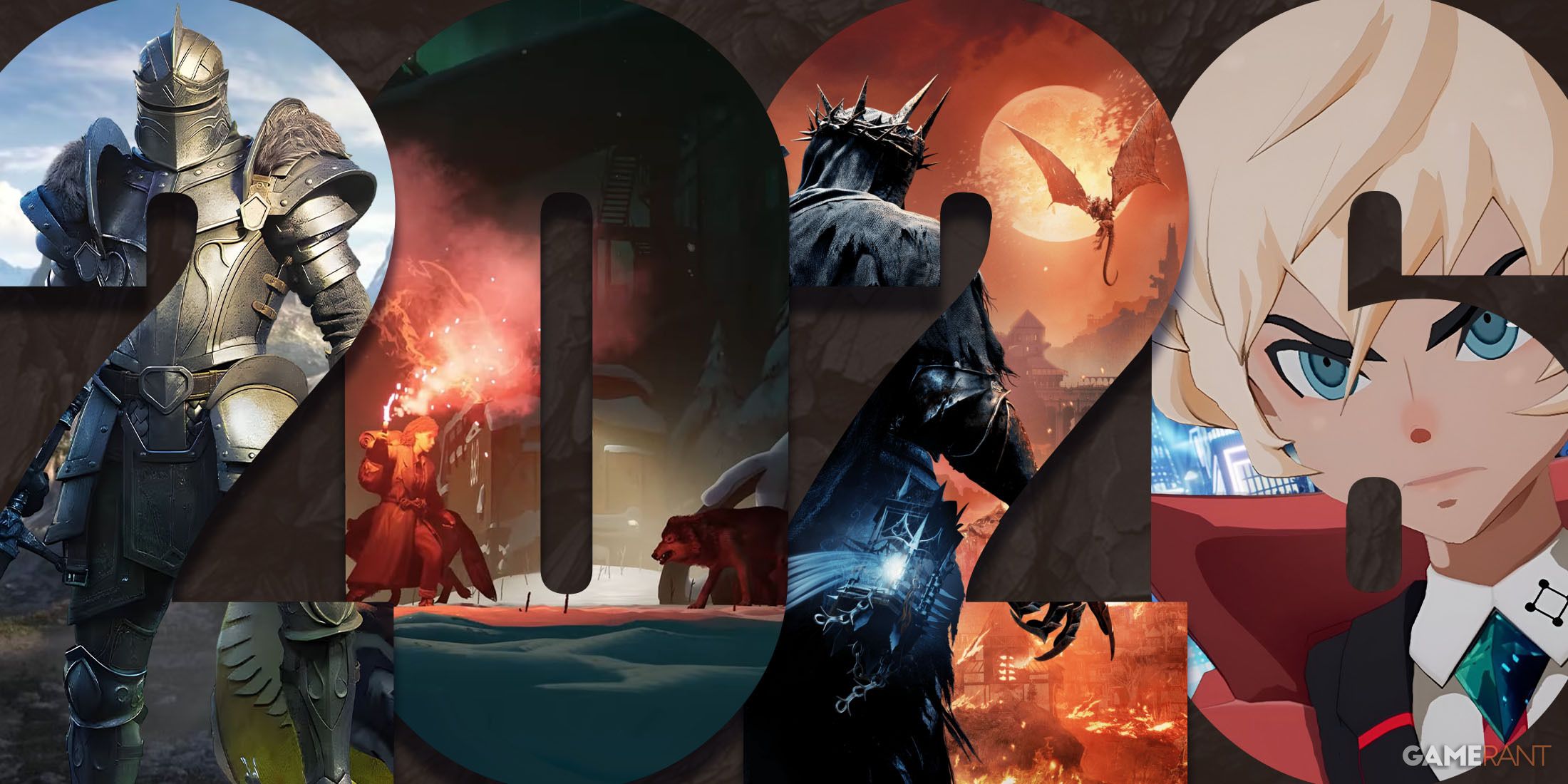

Events For Gamers Banner Digital Gaming India Expo 2026 . Digital Gaming India Expo 2026. Top 10 Most Anticipated Games Of 2026 What To Watch Out For TVN GAMES IN 2026 . Xbox Game Showcase 2026 Trailers Release Dates TAFT Independent 2026 Video Game Release Dates Post Feature Image . Gaming Industry Statistics And Revenue Data 2026 Icon Era Statistics Gaming Industry Revenue Statistics 2026
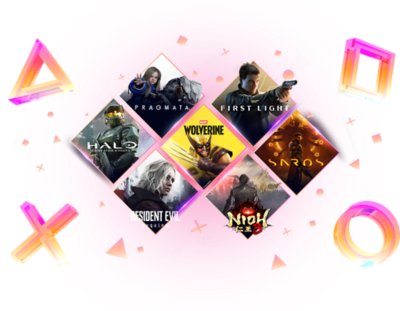


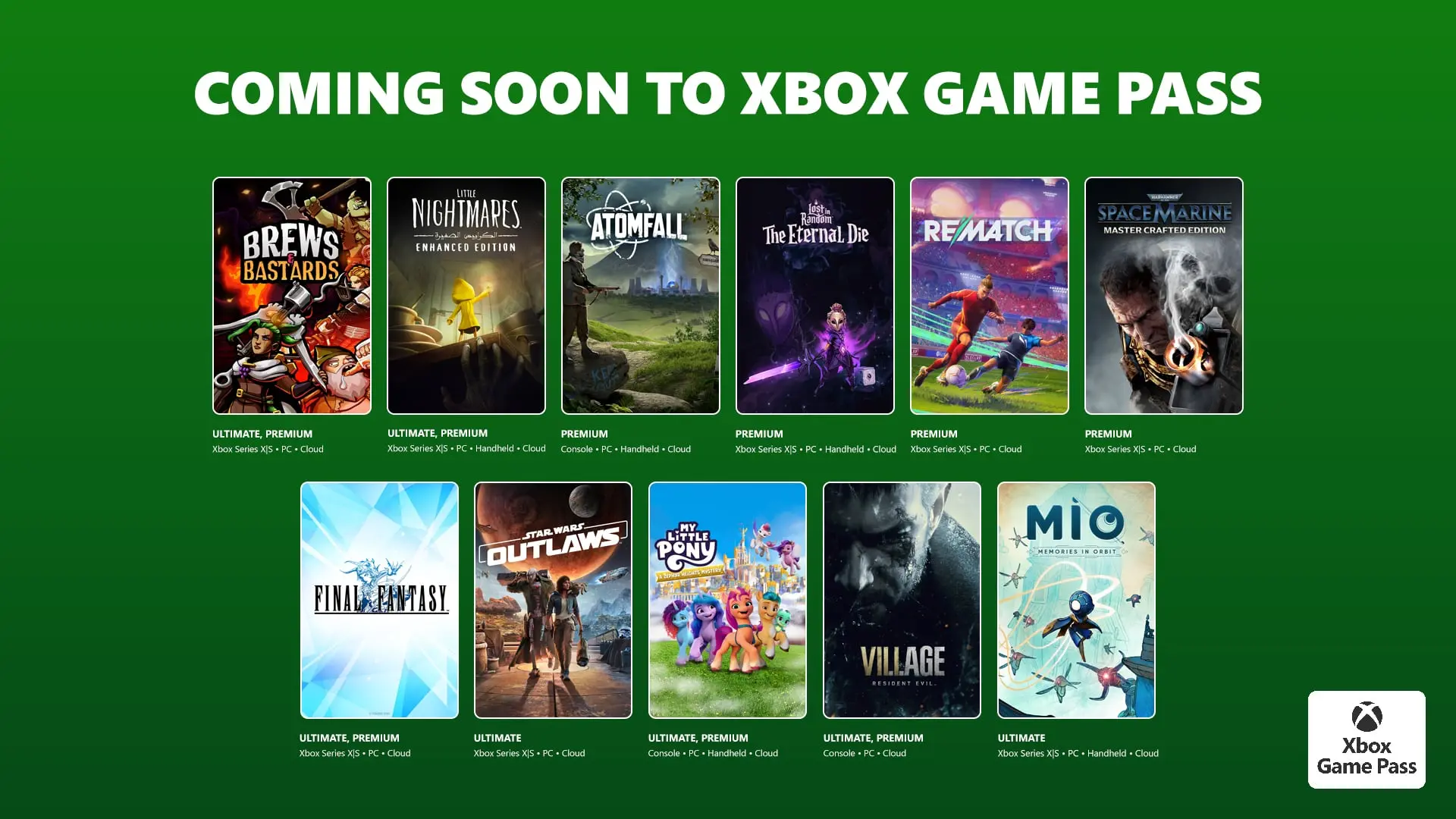

The Most Anticipated Games Coming To PlayStation 5 In 2026 Guides And Range Games 2026 Image Block 01 Desktop 27nov25$en. The Best Gaming Phones For 2026 The Best Gaming Phones For 2025 Hacr . CES 2026 ASUS D Voile Ses Nouveaux PC Gaming ROG Avec RTX 5090 Et 2026 ROG Zephyrus Duo 1176x662 . Razer Zeigt Auf Der CES 2026 Die Zukunft Des Gamings Xgp 2026 01.webp. ASUS Reveals TUF 2026 Gaming Laptops With OLED Upgrade And New Intel ASUS TUF Gaming A14 2026 Official
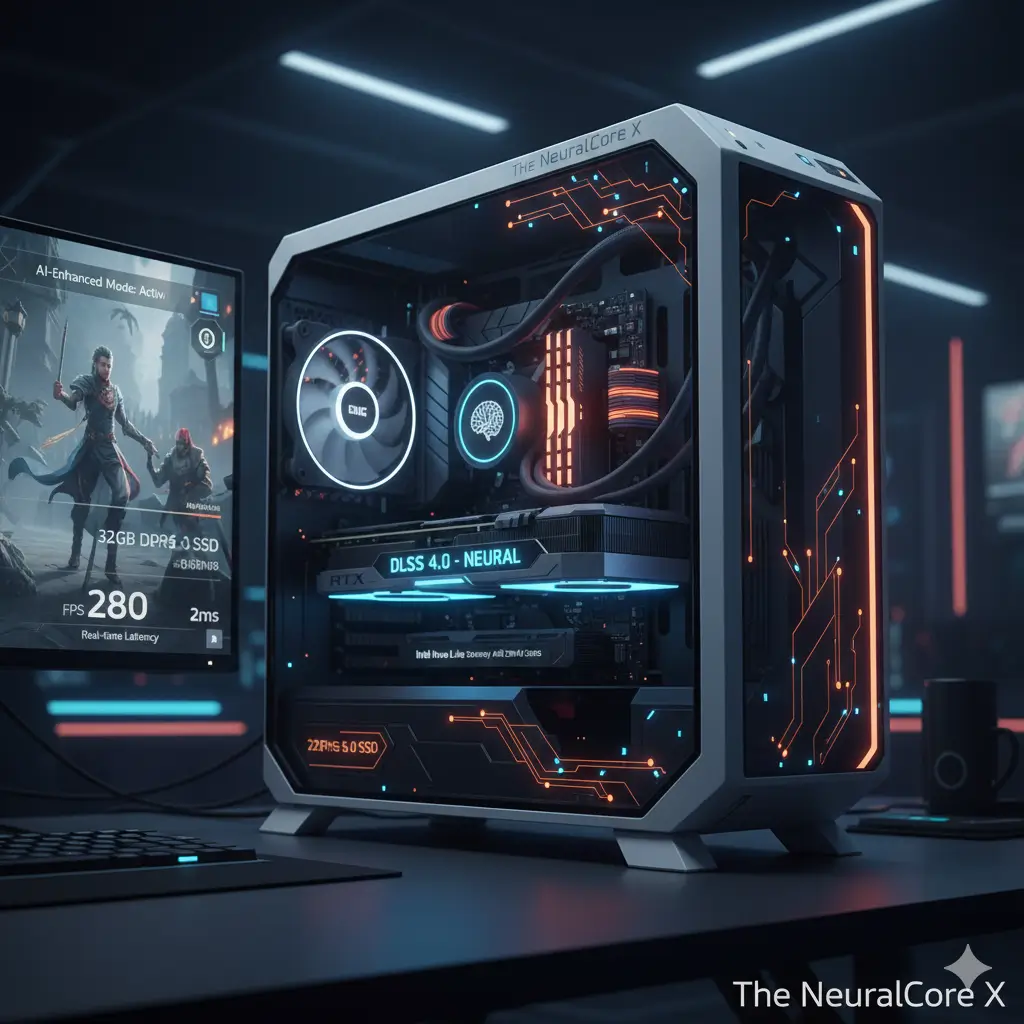



8 Best Gaming PCs For 2026 Ultimate Buyer S Guide Best Gaming Pc 2026 The Neuralcore X.webp. Big In 2026 The Ultimate Guide To The Video Games That Will Shape 2026 . Xbox 2026 Comeback Starts On January 22 With Forza Horizon 6 And Fable Best Gaming Consoles Hero Image . 6 Best Gaming Consoles Of 2026 YouTube . 2026 Upcoming Games And Game Release Dates Guide 2026 Upcoming Games Release Dates


Gaming In 2026 Innovation AI And Cloud Gaming Ahead. The Logitech G Pro X2 Superstrike Will Redefine Mice In 2026 Maxi Geek Logitech Superstrike . The 2026 Standards For Secure Digital Gaming In Canada Untitled Design 2026 02 1536x864 . 5 Best Smartphones For Gaming In 2026 MobileMall Blog Gaming Phones. The Best Logitech Gaming Mouse 2026 GamesRadar USRebate Com The Best Logitech Gaming Mouse 2026 Gamesradar 1536x864


ASUS ROG Showcase At CES 2026 Confirmed With New Gaming Gear Laptops 109228 43 Asus Rog Showcase At Ces 2026 Confirmed With New Gaming Gear Laptops And Future Technology Full . 10 Most Anticipated Video Games Of 2026 Gaming Net. 7 Best Gaming PCs Of 2026 Power Performance And Value Revealed Top Gaming Pcs 2026 1lmv2 . Gamescom 2026 All Confirmed Major Game Demos Deltia S Gaming Gamescom 2026 All Confirmed Major Games Demo . 2026 Game Releases Full Upcoming Games Calendar Release Dates PS5 Game Releases Full Calendar Release Dates Main


The Evolution Of Gaming In 2026 What S Next For VR And AR Las Vegas . Gaming In 2026 The Exciting Landscape Of New Consoles And Games My Store Photo. The Gaming Industry In 2025 Trends Innovations And Future Prospects . Digital 2026 Global Overview Report Analysis Image. TOP 50 BIGGEST NEW Games Coming In 2026 With Crazy NEXT GEN 4K Graphics


Top Gaming Trends Of 2026 Vr . Best Gaming Laptops At CES 2026 RTX 5090 Options Dual Screen Picks Lenovo Legion Pro Rollable Concept. 10 Gaming Events You Should Know About In 2026 Gaming Net 10 Gaming Events You Should Know About In 2026 6 1536x864 . TOP 30 BIGGEST NEW Games Coming In 2026 With Crazy NEXT GEN 4K Graphics . AMD Chinese Firm Develop 1000Hz Gaming Monitor 2026 Release World