Ever wondered what 'projected' means in Roblox? This comprehensive guide demystifies the term, explaining its significance for both players and developers. We'll explore how 'projected' impacts game visuals, physics, and overall performance, especially for busy adult gamers balancing life and play. Understanding 'projected' can help you appreciate game design, troubleshoot performance issues, and even enhance your own Roblox creations. From dynamic shadows to complex physics calculations, this article breaks down the core concepts in an easy-to-understand, conversational style. Dive in to learn why this often-overlooked term is crucial for a smoother, more immersive Roblox experience, helping you make the most of your gaming time.
What Exactly Does "Projected" Mean in Roblox?
In Roblox, the term "projected" often refers to how objects, light, or forces interact with the environment, particularly concerning physics simulations or visual effects. It's about predicting or calculating how something will behave or appear based on its current state and surrounding factors. Think of it as the engine's way of anticipating outcomes without necessarily rendering every single detail upfront for every frame. This can apply to shadows "projecting" onto surfaces, or even how a physics impulse might be "projected" onto a part, crucial for efficient game rendering for all gamers.
How Does "Projected" Impact My Gameplay Experience on Roblox?
For a player, "projected" might manifest in the visual realism of shadows and lighting, or the responsiveness of physics interactions. If a game uses complex projected lighting or shadow techniques, it can significantly enhance immersion, making the world feel more dynamic and alive. Conversely, poorly optimized projected effects could contribute to performance issues like lag, especially on older devices or mobile, which 60% of US gamers regularly use. Understanding this helps you appreciate why some games look and feel smoother than others, and sometimes why your frame rate might dip during intense moments.
Is "Projected" a Developer-Specific Term, or Should Players Care?
While "projected" is definitely a core concept for Roblox developers, players should absolutely care, especially if you're keen on understanding game quality and performance. Knowing this term gives you insight into why certain visual settings exist or why a game might feel more "alive" due to dynamic shadows or realistic physics. It helps you troubleshoot performance problems and even choose games that are optimized for your hardware. It’s like knowing a bit about how your car works; you don’t need to be a mechanic, but it helps you appreciate the ride and make informed choices about your gaming experience.
Where Can I See "Projected" Effects in Action Within Roblox Games?
You'll commonly see "projected" in action with dynamic shadows cast by objects, characters, and lights in games that utilize advanced lighting. For example, in an adventure game with a day-night cycle, shadows shifting realistically as the sun moves across the sky are "projected" effects. Similarly, if a part breaks off and interacts with other objects in a physically accurate way, the forces and collisions are often "projected" in the physics engine to calculate their movement. Look for games with realistic environments and interactions, particularly those with strong atmospheric lighting and detailed object interactions, to truly observe these effects.
Does "Projected" Affect Roblox Performance on Different Devices?
Absolutely. Implementing complex "projected" effects, especially real-time shadows or advanced physics interactions, can be very resource-intensive. High-end PCs with powerful GPUs can handle these calculations seamlessly, providing a rich visual experience. However, on mobile devices or older PCs, which many adult gamers use for casual play, these effects can significantly degrade performance, leading to lower frame rates and a less enjoyable experience. Developers often offer graphics settings to toggle these resource-heavy "projected" features for broader compatibility, ensuring a wider range of players can enjoy their creations without excessive lag.
Can "Projected" Be Misunderstood by New Roblox Developers?
Yes, "projected" can be a source of confusion for new Roblox developers. It's a broad term that applies to several systems, from how light sources cast shadows (like 'Light.Shadows.Projected') to more complex physics calculations. New developers might struggle to understand when to use certain 'projected' properties or how they interact with other game elements, often leading to performance bottlenecks if not handled correctly. Learning the specific context and practical application is key to avoiding common pitfalls and building efficient, visually appealing games that resonate with players.
What Are the Benefits of Using "Projected" Features in Roblox Game Design?
When used effectively, "projected" features offer numerous benefits for game design. They dramatically increase visual realism through dynamic shadows and global illumination, making environments more immersive and appealing. In terms of gameplay, "projected" physics can lead to more believable object interactions and environmental responses, enhancing player agency and world credibility. For developers, mastering these concepts allows for the creation of richer, more professional-looking experiences that truly stand out in the crowded Roblox marketplace, attracting and retaining players, and ultimately leading to more success in their creative ventures.
Ever been diving deep into Roblox Studio, trying to understand a setting, and stumbled upon the word 'projected'? You're not alone. For many of us who squeeze gaming and even game creation into our busy lives, deciphering these technical terms can feel like another boss battle. What does 'projected' really mean in Roblox, and why should a busy gamer or aspiring developer care? This guide is designed for you, the adult gamer who values clarity, efficiency, and making the most of your limited free time. We'll demystify 'projected' in Roblox, helping you understand its role in everything from physics to visual effects, so you can optimize your gameplay and even dabble in creation with confidence.
According to recent US gaming stats, 87 percent of gamers regularly play, often balancing 10 plus hours a week with work and family. Understanding these nuances helps you get more out of every minute spent in your favorite virtual worlds, whether you are simply playing the latest hit or building your next big idea. This term, 'projected', might sound highly technical, but its implications for your gaming experience are surprisingly straightforward once you break it down.
From the subtle realism of shadows that shift with the sun to the precise calculations behind a perfectly executed jump, 'projected' is at the heart of many interactive and visual elements you encounter. It is about how the Roblox engine anticipates and renders various effects to create a cohesive and believable virtual environment. Let's explore what this means for your daily play and your journey into creation.
What Exactly Does 'Projected' Mean in Roblox Generally?
In Roblox, the term 'projected' primarily refers to how the game engine calculates and displays certain effects that appear to interact with the environment. Think of it as the engine predicting or estimating how an element will behave or look based on its current state and surrounding factors. This concept is fundamental to rendering realistic shadows, applying forces in physics simulations, or even determining how light spreads across a surface. It is about anticipating outcomes without necessarily rendering every single detail upfront for every single frame, which is crucial for performance.
How Does 'Projected' Relate to Roblox Studio and Game Development?
For those dabbling in Roblox Studio, 'projected' is a key concept, especially when working with lighting, shadows, and physics. Developers might encounter properties like 'Shadows.Projected' when configuring light sources. This tells the engine to calculate and display dynamic shadows from that light, making objects cast realistic shadows onto other surfaces. In physics, forces can be 'projected' onto objects to simulate realistic impacts or movements, critical for creating engaging gameplay mechanics. Understanding these properties allows developers to build more immersive and responsive experiences.
Is 'Projected' Important for Roblox Game Performance?
Absolutely. The implementation of 'projected' effects, particularly complex real-time shadows and advanced physics, can be quite resource-intensive. While a powerful gaming PC might handle these calculations seamlessly, providing rich visuals, mobile devices or older PCs can struggle. Poorly optimized 'projected' features can lead to lower frame rates, stuttering, and an overall less enjoyable experience. Many developers actively balance visual fidelity with performance, offering graphics settings to toggle these resource-heavy 'projected' features for broader compatibility, ensuring everyone can enjoy their game.
When Might You Encounter the Term 'Projected' in Roblox?
You might encounter the term 'projected' most frequently when you are exploring Roblox Studio's lighting properties, specifically within the 'Light' objects or the 'Lighting' service. For players, while you may not see the word directly, you experience its effects constantly. Every dynamic shadow, every realistic bounce of a ball, or how light reflects off a material in a sophisticated game are all manifestations of 'projected' calculations working behind the scenes. This happens any time the game needs to simulate how something interacts with its environment in a visually or physically accurate way.
What Are Common Examples of 'Projected' Use Cases in Roblox?
One of the most common and noticeable uses of 'projected' is with dynamic shadows. Imagine a game with a day-night cycle where shadows lengthen and shorten realistically as the virtual sun moves. These are 'projected' shadows. Another example is in physics-heavy games, where objects collide and react with believable force; the engine 'projects' these forces to determine movement. Even certain advanced visual effects, like decals or textures that appear to wrap around complex geometry, utilize forms of projection to achieve their seamless look, enhancing the game's overall immersion.
How Does 'Projected' Impact Visuals or Physics in My Game?
The impact of 'projected' on visuals is profound. It allows for dynamic, realistic shadows that add depth, realism, and atmosphere to environments, making a game feel far more immersive. Without 'projected' shadows, worlds would often look flat and artificial. In physics, 'projected' calculations ensure that objects interact naturally, responding to forces and collisions in a believable manner. This is crucial for games requiring precise movement, realistic environmental destruction, or engaging combat systems. Both aspects significantly contribute to the overall quality and polish of a Roblox experience, helping creators deliver top-tier content.
Can I Adjust 'Projected' Settings in Roblox Studio?
Yes, if you are working in Roblox Studio, you can certainly adjust settings related to 'projected' elements. For instance, within a 'PointLight' or 'SpotLight' object, you'll find properties to enable or disable shadows, which directly relates to whether shadows are 'projected'. You can also fine-tune shadow distances and quality, balancing visual fidelity with performance. For physics, while there isn't a direct 'projected' toggle, properties like 'CustomPhysicalProperties' and various 'Constraint' settings influence how forces are calculated and 'projected' onto parts, allowing for detailed control over physical interactions.
Why Should Casual Players Understand 'Projected'?
As a casual player, understanding 'projected' offers valuable insight into the games you enjoy. It helps you appreciate the technical effort behind stunning visuals and smooth gameplay. More practically, it empowers you to understand why certain graphical settings exist or why a game might perform differently on your device. If a game is lagging, it might be due to complex 'projected' shadows or physics. Knowing this helps you make informed decisions about adjusting graphics settings for a smoother experience, ensuring your gaming time is always enjoyable and frustration-free, whether you're on PC or mobile, which dominates US gaming trends this month.
Are There Alternatives to 'Projected' Concepts in Roblox?
While 'projected' describes a broad category of rendering and physics calculations, there are often different ways to achieve similar visual or interactive effects without relying on the most resource-intensive 'projected' methods. For shadows, developers might use baked shadows (pre-rendered static shadows) or simpler shadow maps for performance. For physics, less precise, simpler collision detection or animated movements can sometimes substitute for complex 'projected' force calculations. The choice depends on the desired realism, performance budget, and the specific needs of the game, highlighting the constant balancing act for creators.
Tips for Optimizing Games Related to 'Projected' Features for Better Performance
Optimizing 'projected' features is crucial for reaching Roblox's diverse player base, especially the 60% of gamers on mobile. Developers should limit the number of dynamic light sources that cast 'projected' shadows. Use 'Shadows' property judiciously, perhaps only for key elements. Adjust shadow distances to render only nearby shadows. Employ efficient materials; some materials are more performant with lighting. Test your game on various devices, especially lower-end mobile phones, to identify bottlenecks. Implementing level of detail (LOD) systems can also help, reducing the complexity of distant objects and their 'projected' effects. A well-optimized game leads to happier players and better engagement.
Understanding what 'projected' means in Roblox, whether you're a player or a budding creator, can genuinely enhance your experience. It's about knowing how the virtual world around you is constructed and optimized, helping you appreciate the technical finesse behind your favorite games or even build better ones yourself. Remember, gaming is a great way to unwind and connect, and a little knowledge goes a long way in making that time more enjoyable, especially when you are balancing it with work and family. What's your biggest gaming challenge when it comes to understanding Roblox's technical terms? Comment below!
FAQ Section: Unpacking 'Projected' in Roblox
What is the difference between 'projected' and 'rendered' in Roblox?
'Projected' refers specifically to the calculation and anticipation of how elements like shadows or forces interact with the environment. 'Rendered' is the broader term for the entire process of drawing everything you see on your screen, including all visual elements, whether they are projected or not. Projection is a step within the overall rendering pipeline, focusing on how interactions appear visually or physically.
Does 'projected' only apply to visual elements like shadows?
While most commonly associated with visual elements like shadows and lighting effects, 'projected' also applies to physics calculations. When objects collide or forces are applied, the game engine 'projects' these interactions to determine their resulting movement and behavior. So, it impacts both how things look and how they physically interact in the game world, making it a multifaceted concept.
Can 'projected' features cause lag in Roblox?
Yes, complex 'projected' features, especially dynamic real-time shadows from numerous light sources or highly detailed physics simulations, can definitely cause lag. Calculating these effects requires significant processing power from your device's CPU and GPU. If a game uses too many of these intensive features without optimization, it can lead to lower frame rates, especially on less powerful hardware like older PCs or most mobile devices. This is why developers often offer graphics options.
Where can I find more official information on 'projected' in Roblox?
For the most authoritative and in-depth information on 'projected' and related technical terms in Roblox, your best resource is the official Roblox Creator Documentation. This comprehensive wiki provides detailed explanations, code examples, and guides on various aspects of Roblox Studio, including lighting, physics, and performance optimization. It is an invaluable tool for both new and experienced developers seeking precise technical details.
Is 'projected' a term unique to Roblox game development?
No, the concept of 'projection' is not unique to Roblox. It's a fundamental term in computer graphics, 3D rendering, and physics engines across the entire gaming industry. Whether you're talking about how shadows are calculated, how 3D objects are displayed on a 2D screen (perspective projection), or how forces are applied in a simulation, the idea of projecting effects or properties is a core principle in game development and virtual world creation generally.
Roblox 'projected' meaning, Impact on game visuals, Physics calculations in Roblox, Performance optimization tips, Understanding Roblox Studio terms, Enhancing player experience, Developer insights.
34


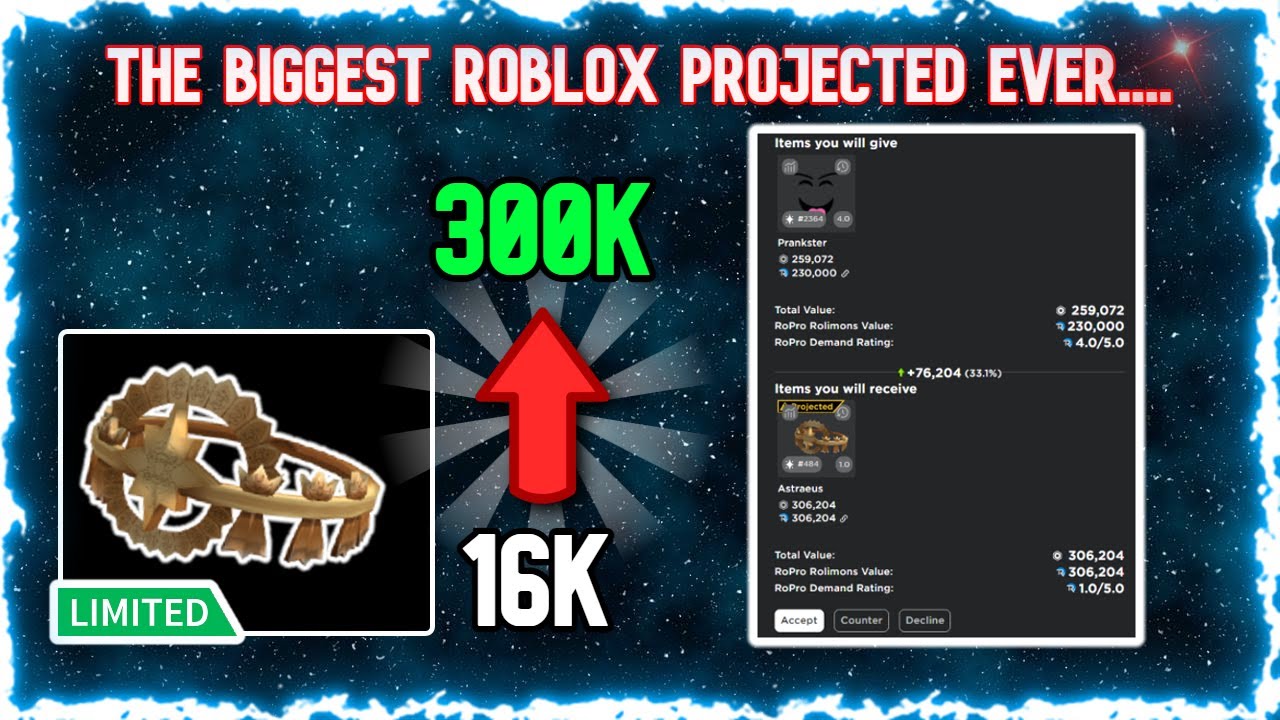

Roblox R6 Explained What Does It Really Mean Oar2 . Roblox R6 Explained What Does It Really Mean SL1500 . What Does PROJECTED Mean In Roblox Trading Rolimon S Projected . What Are The Biggest Items In Roblox Worlds For 2026 . What Roblox Will Look Like In 2026 A Glimpse Into The Future By


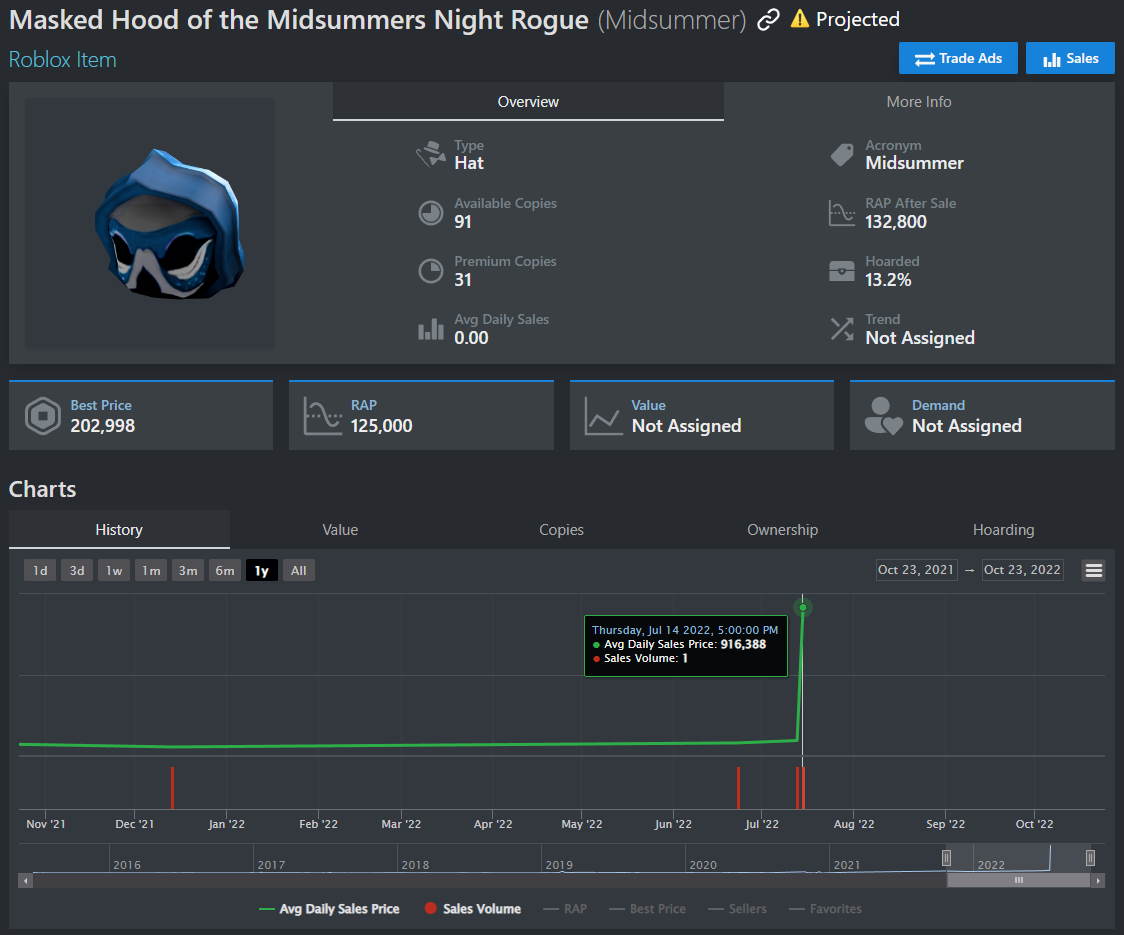

Roblox 2026 YouTube Oar2 . Roblox 2026 YouTube Oar2 . Roblox In 2026 YouTube . Roblox Trading Terms Guide Rolimon S 2026 Projected Item Midsummer . Roblox 2026 NEW LOOK The Biggest Update Ever YouTube Maxres2


ROBLOX IN 2026 YouTube Hqdefault . MY ITEM GOT PROJECTED Roblox YouTube . Roblox 2026 2025 2017 2026 YouTube Maxres2 . How To Know What Roblox Limiteds Are Projected 2024 YouTube . WOW The 2026 Roblox Logo Shocks All Players YouTube Maxres2

Roblox RBLX Q1 2026 Earnings Results Beat Revenue Estimates On Roblox Rblx Q1 2026 Earnings Results Feature . What Is Alien Hub Roblox And How Does It Work 2026 A Roblox Character Looking At An Event Hub . Roblox In 2026 Play On Roblox NoFilter. Roblox Analyzing The Growth Story NYSE RBLX Seeking Alpha 56618723 Origin . 2026 Roblox YouTube Oar2


Roblox Recap January 2026 Catch Up On The Latest And Greatest By . What Does Projected Mean In Roblox The Term Playbite How Much Robux Does Roblox Have Playbite . What Will Roblox Look Like In 2026 Blog Graphics 24 1024x576 . IFW Meaning On Roblox What You Need To Know F4 Roblox . What Does Projected Mean In Roblox The Term Playbite How To Get Free Clothes Without Robux On Roblox Playbite




What Does Projected Mean In Roblox The Term Playbite Playback Cta . What Does Projected Mean In Roblox The Term Playbite How To Get Free Roblox Clothes Without Robux Playbite . What Does Projected Mean In Roblox The Term Playbite People . What Does Projected Mean In Roblox The Term Playbite User 2.ad9136 . Roblox 2026 YouTube Oar2


What Does Projected Mean In Roblox The Term Playbite User 4.5b6488 . What Is A Projected Roblox Item YouTube . WHAT DO YOU MEAN 2026 Wcue Newyear 2026 Relatable Roblox Oar2 . What Does Projected Mean In Roblox The Term Playbite User 1.d42a99