Ever dreamt of creating your own addictive rhythm game like those topping the charts but felt overwhelmed by the technical hurdles or lack of time? This comprehensive guide on how to make a rhythm game is designed for busy US gamers who balance passion with life. We will demystify the development process from concept to launch, offering practical advice and budget-friendly solutions. Discover essential tools, learn about level design, audio integration, and effective testing strategies. Whether you are a seasoned developer or a curious enthusiast, this article provides actionable steps to transform your musical vision into a playable reality, helping you build a fun, skill-testing, and potentially social gaming experience without breaking the bank or your schedule. Explore the journey from initial idea to a polished game, tackling common challenges like synchronization issues and performance optimization head-on. This resource is perfect for those seeking to create, unwind, and connect through rhythm games.
What is the most crucial element for a successful rhythm game?
The most crucial element for a successful rhythm game is impeccable synchronization between the audio, visual cues, and player input. If the game does not feel perfectly on beat, the core experience breaks down. Gamers expect precision, and any lag or desynchronization will quickly lead to frustration, regardless of how good the music or graphics are. Focusing on tight, responsive mechanics is paramount to creating an addictive and enjoyable rhythm experience that keeps players coming back for more.
Can I make a rhythm game without knowing how to code?
Absolutely! While traditional coding offers maximum flexibility, several tools allow you to make rhythm games with minimal or no coding. Game engines like Construct 3 or GameMaker Studio 2 feature visual scripting systems that let you drag and drop logic. Unity also has visual scripting options like Unity Visual Scripting formerly Bolt. These platforms empower creatives to focus on design and mechanics, making the dream of creating a rhythm game accessible even to those without a programming background. They are great for busy gamers who want to create without a steep learning curve.
Why are rhythm games so addictive for busy adults and how can I leverage this in my design?
Rhythm games are addictive because they offer immediate gratification, clear progression, and a satisfying challenge that feels like skill-building. For busy adults, they provide a perfect escape and a way to de-stress in short bursts. To leverage this, design your game with intuitive controls, varied difficulty levels that cater to both casual and hardcore players, and a sense of mastery through high scores or unlockables. Implement daily challenges or quick play modes to fit into limited schedules, echoing the popularity of mobile gaming among adults.
How can I ensure my rhythm game appeals to a broad audience, including casual and hardcore players?
To appeal to both casual and hardcore players, implement scalable difficulty options. Offer an easy mode with forgiving timing windows and fewer notes, allowing newcomers to enjoy the music. For hardcore players, include expert modes with complex patterns, tighter timing, and potentially modifiers. A robust tutorial helps new players, while leaderboards and achievement systems can motivate competitive individuals. Consider varying song selections, from popular, accessible tunes to more challenging, niche tracks to cater to diverse musical tastes and skill levels.
What are the biggest challenges in rhythm game development and how can I overcome them?
The biggest challenges include achieving perfect audio synchronization, creating compelling beat maps, and securing legal music rights. Overcome synchronization issues by using specialized audio libraries and implementing calibration tools for players. For beat mapping, invest time in practice, study existing rhythm games, and utilize dedicated charting software. To navigate music rights, prioritize royalty-free music, asset store licenses, or original compositions. Focusing on these core elements from the outset can save significant time and frustration during development, allowing you to focus on the fun parts.
Is it possible to monetize an indie rhythm game effectively without aggressive microtransactions?
Yes, it is definitely possible. While many mobile games rely on microtransactions, indie rhythm games can thrive with premium pricing for a complete game, selling DLC packs for new song content or cosmetic items, or offering subscription models for exclusive tracks. Emphasize value for money; if your game offers a substantial amount of high-quality content and an enjoyable experience, players are often willing to pay upfront. Community building and strong word-of-mouth are crucial for this approach, as players who feel they get good value are more likely to recommend your game to others.
How do current gaming trends like cross-play and social features impact rhythm game development?
Current trends like cross-play and social features significantly enhance a rhythm game's appeal. Many gamers today expect to play with friends regardless of their platform. Integrating cross-play can expand your audience, while social features like leaderboards, ghost replays of other players, or even cooperative rhythm challenges foster community and engagement. Leveraging platforms like Discord for community building allows players to connect, share tips, and organize in-game events. For developers, this means designing with network functionality and social integration in mind from the early stages, catering to the millennial and Gen Z desire for connected gaming experiences.
Hey fellow gamers! Ever found yourself tapping your foot along to a game's soundtrack and thought, I could design a level better than this, or What if this beat map had my favorite tunes? If so, you're not alone. For many of us balancing a demanding job, family life, and still finding those precious hours to unwind with a controller or mobile device, the idea of creating something feels like a pipe dream. But what if I told you that making your own rhythm game is more accessible than ever, even with limited time and a budget?
Rhythm games offer that perfect blend of relaxation, skill-building, and pure, unadulterated fun. They're a fantastic way to engage both your mind and reflexes, and let's be honest, who doesn't love mastering a challenging beat? In the US, a staggering 87 percent of gamers play regularly, often dedicating 10 plus hours a week. A significant portion of this engaged audience, particularly Gen Z and Millennials, are active on mobile platforms and social spaces like Discord, always on the lookout for fresh, engaging experiences. This guide is specifically tailored for you, the busy, pragmatic gamer who values performance, value for money, and staying current without succumbing to endless hype. We're going to dive deep into exactly how to make a rhythm game, breaking down the process into manageable steps, addressing common pain points like tricky setups, performance woes, and ensuring you get the most creative bang for your buck.
Forget the intimidating jargon and complex coding nightmares. We'll explore practical solutions, accessible tools, and real-world tips to help you craft your musical masterpiece. By the end, you'll have a clear roadmap to bringing your rhythm game vision to life, proving that even with a packed schedule, your creative ambitions can thrive.
What exactly is a rhythm game and why are they so popular among US gamers?
A rhythm game is a video game genre where players interact with the game in time with musical cues. This typically involves pressing buttons, tapping screens, or performing actions precisely synchronized with the beat or melody of a song. Think Guitar Hero, Beat Saber, or even mobile hits like Cytus. They are popular because they offer immediate feedback, a clear sense of progression, and are incredibly satisfying to master. For US gamers, especially those juggling life commitments, rhythm games provide a quick, engaging burst of fun and a great way to de-stress. They offer a unique form of skill-building that feels rewarding, often within a short play session, making them perfect for limited gaming time. The social aspect, often sharing high scores or performing with friends, further fuels their appeal in todays connected gaming landscape.
What essential tools and software do I need to start making a rhythm game on a budget?
You do not need expensive software to begin your rhythm game journey. Many powerful tools are free or budget-friendly, making development accessible for everyone. For game engines, Unity is a top choice due to its robust features and extensive community support, with a free personal license for individuals and small teams. Godot Engine is another fantastic open-source alternative, completely free with no royalties. For music and audio, free DAWs Digital Audio Workstations like Audacity for editing or LMMS for creating original music can get you started. Graphic design can be handled with free software like GIMP or Krita. The key is leveraging these resources wisely. Most rhythm game mechanics are straightforward to implement in these environments, allowing you to focus on gameplay and beat map creation without upfront financial strain.
How do I come up with a compelling concept and core mechanics for my rhythm game?
Your game needs a unique hook. Start by brainstorming themes that resonate with you or current gaming trends. Is it a futuristic space opera, a cozy coffee shop simulator with rhythm elements, or a competitive esports contender? The core mechanics should stem directly from this concept. Will players tap, hold, swipe, or use a combination? Consider what makes popular games like Beat Saber or OSU addictive. Focus on a simple, intuitive input system first, then build complexity. Think about how your chosen theme can inform the visual style, character designs, and even the progression system. A compelling concept often answers a player's desire for novelty or a fresh take on a familiar genre, providing a sense of purpose beyond just hitting notes.
What is the best way to handle music and audio integration for a truly immersive experience?
Music is the heart of any rhythm game. You will need to source or compose high-quality tracks that fit your game's theme and desired difficulty curve. For integration, your game engine will have built-in audio tools. The critical part is precise synchronization. Modern engines allow you to get the exact playback position of a track, which you will use to trigger visual cues and evaluate player input. Consider implementing dynamic audio elements where successful hits trigger sound effects that complement the music, enhancing player feedback. Ensure your audio system is optimized for low latency to avoid any noticeable delay between action and sound, a common performance pain point for gamers that can break immersion.
How important is level design and beat mapping in creating an engaging rhythm game?
Level design, or beat mapping, is paramount. This is where the music translates into gameplay challenges. A well-designed level feels like a dance between the player and the music, with notes flowing naturally and difficulty escalating appropriately. Poor charting can ruin even the best music. Consider pacing: introduce new mechanics gradually, build up to intense sections, and offer moments of reprieve. Many developers use custom editors or even spreadsheet software to plot out note timings precisely. Observe popular rhythm games; they often have a clear progression from simple patterns to complex sequences, ensuring players can learn and master the game over time, which appeals to gamers seeking skill-building opportunities.
What programming skills are essential for a rhythm game, or can I use visual scripting?
Basic programming logic is beneficial, but you do not need to be a seasoned coder. Many successful indie rhythm games have been made with visual scripting tools available in engines like Unity (Unity Visual Scripting) or Godot. These tools allow you to connect actions and events visually, effectively programming without writing lines of code. If you do delve into coding, C# for Unity or GDScript for Godot are excellent choices. You will primarily focus on input detection, timing calculations, object spawning, and score tracking. The learning curve for these specific tasks is manageable, especially with the wealth of online tutorials. Many busy adult gamers find visual scripting a time-efficient way to bring their ideas to life.
How do I test my rhythm game for optimal playability and synchronization across different devices?
Thorough playtesting is non-negotiable. Start with internal testing, playing your game repeatedly on various difficulty settings. Pay close attention to whether the notes feel in sync, if the controls are responsive, and if the difficulty progression is fair. Recruit friends, family, or fellow gamers to provide external feedback. Since many US gamers play on both mobile and PC, test your game on multiple platforms to check for performance differences, input lag, and screen size adaptations. Ask testers specific questions about timing, visual clarity, and overall enjoyment. Identify common pain points, like notes appearing too quickly or slowly, and iterate. A robust calibration option for players to adjust audio offset is also a fantastic feature to include, addressing potential hardware variations.
What are common pitfalls to avoid when developing a rhythm game?
Several common pitfalls can derail a rhythm game project. First, neglecting precise synchronization is fatal; even a few milliseconds of lag can ruin the experience. Second, poor beat mapping where notes do not align with the music or are arbitrarily placed leads to frustration. Third, overly complex mechanics introduced too early can overwhelm players. Fourth, ignoring performance optimization, especially for mobile, can lead to dropped frames and input lag. Lastly, legal issues around music usage are a significant concern; always ensure you have the rights to any music you use. Avoiding these issues ensures a smoother development process and a more enjoyable final product for your audience.
How can I market my rhythm game to reach a wider audience, especially on a budget?
Effective marketing does not require a huge budget. Start early by building a community around your game. Share development progress on social media platforms like X Twitter, TikTok, and Instagram, focusing on short, engaging video clips of gameplay. Engage with rhythm game communities on Discord and Reddit. Participate in indie game showcases or online festivals. Reach out to small streamers and content creators who focus on rhythm games for potential reviews or playthroughs. Leverage mobile game trends like free-to-play with optional cosmetic in-app purchases if your game is on mobile. Focus on visually appealing screenshots and exciting gameplay trailers to capture attention. Remember, authentic engagement and demonstrating your game's fun factor are your most powerful marketing tools.
What are current trends in rhythm games I should consider for my project?
The rhythm game landscape is constantly evolving. This month, we are seeing a rise in social rhythm games that encourage multiplayer interaction and collaboration. Mobile rhythm games continue to dominate, with an emphasis on accessibility and bite-sized play sessions perfect for busy gamers. VR rhythm games like Beat Saber remain incredibly popular, offering immersive full-body experiences. Free-to-play models with season passes and cosmetic customization are also very common. Consider incorporating elements like procedural generation for endless replayability, strong narrative elements, or unique input methods beyond traditional tapping to stand out. Staying current with these trends can help your game resonate with a broader audience and appeal to modern gamer preferences.
So, there you have it! Making a rhythm game might seem like a daunting task, but by breaking it down into manageable steps and leveraging accessible tools, it is entirely within reach. Whether you are aiming for a relaxing experience to unwind after a long day or a competitive challenge to hone your skills, the journey of creation itself is incredibly rewarding. Remember, precision, engaging music, and thoughtful level design are your best friends.
What is your biggest gaming challenge, or what kind of rhythm game have you always dreamed of playing? Comment below and let us know!
FAQ Section
What is the easiest programming language for a rhythm game?
For beginners, visual scripting languages within engines like Unity Unity Visual Scripting or Godot GDScript, which is Python-like are great starting points. If you prefer traditional coding, C# with Unity is widely documented and has a vast community. Python is also a beginner-friendly language often used for simpler game prototypes.
How do I make my rhythm game feel responsive and on-beat?
Responsiveness is key. Focus on low-latency input handling and precise audio synchronization. Use a dedicated audio library that allows accurate timing. Implement visual feedback cues that confirm successful hits instantly. Rigorous playtesting across different devices and careful calibration of timing windows are crucial for a satisfying experience.
Can I use copyrighted music in my rhythm game?
No, generally you cannot use copyrighted music without obtaining proper licenses, which can be expensive and complex. Always use royalty-free music, music from asset stores with appropriate licenses, or compose your own original tracks. This avoids legal issues and ensures your game can be distributed without problems.
How long does it take to develop an indie rhythm game?
Development time varies greatly depending on scope, team size, and personal experience. A simple prototype might take weeks, while a polished indie rhythm game could take anywhere from 6 months to 2 years for a solo developer or small team. Focusing on a minimum viable product MVP first can accelerate your initial release.
What kind of art style works best for rhythm games?
The best art style is one that complements your music and theme without distracting from the gameplay. Clean, clear visuals that provide good contrast for notes are essential. Many rhythm games opt for stylized or abstract art, or even minimalist designs, to keep the focus on the rhythm elements. Performance on lower-end devices should also influence your art style choices.
Is it profitable to make a rhythm game as an indie developer?
Like any indie game, profitability is not guaranteed but is certainly possible. Success hinges on a unique concept, strong execution, effective marketing, and a bit of luck. Many indie rhythm games have found niche audiences and achieved financial success, especially on mobile platforms. Focus on creating a high-quality, fun experience and building a community.
Concept development, choosing game engine, music synchronization, level design charting, programming basics, playtesting and feedback, marketing strategies, community engagement, accessible tools for rhythm game creation, overcoming common development challenges, monetizing indie rhythm games.
35


How To Make A Roblox Rhythm Game Read Desc YouTube . The Key Components Of A Rhythm Game YouTube . A Beginners Guide To Rhythm Games YouTube . How To Make Hard Hitting Rhythm Game Music IN 10 MINUTES FL Studio Hqdefault . Best Rhythm Games To Play In 2026 Top Music Powered Hits Best Rhythm Games 1024x574
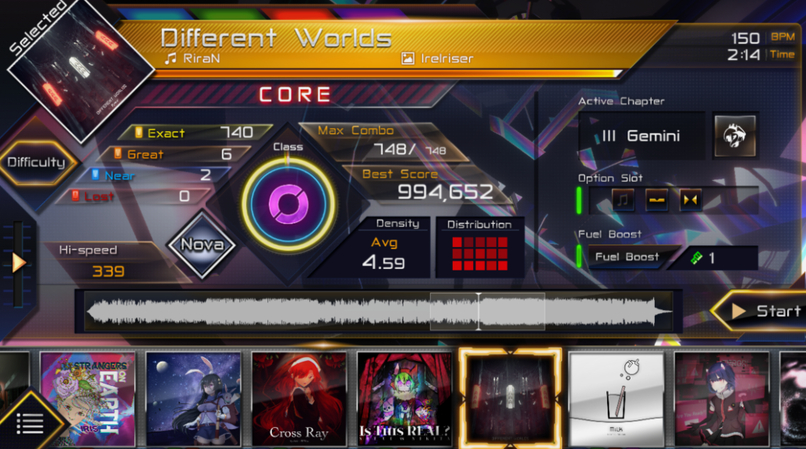


Must Play Rhythm Games In 2026 Across VR Mobile And Web Rovin Games Best Rhythm Games In 2026 . The Ultimate List Of The Best Rhythm Games You Must Try In 2026 Ravon Rhythm Game . JP EN ES 20 Let S Make A Rythm Game Hagamos Un Juego De . Coding From Scratch 032 RHYTHM GAME Part 2b YouTube . Let S Make An Insane Rhythm Game Ep 2 PROTOTYPE YouTube


Rhythm Music Game Template C67bf9e8 7e94 442f 83fb Scaled . Rhythm Music Game Template Tutorials Unity Asset Store Df7903be Cbf6 45c7 A767 . How To Make Rhythm Game Effects 3 3 Tutorial Blender . Rhythm Game Starter Create Your Rhythm By BennyKok B7e68ab2 830d 4dbb Bd19 . 8 New Rhythm And Music Games Previewed From Steam Next Fest Feb 24


How To Make RHYTHM GAME On Scratch Starter YouTube . Rhythm Music Game Template Ba60753d A356 4a23 B942 . How To Make A Simple Rhythm Game Simple Part 2 YouTube . Create Your Own Rhythm Game In Java Step By Step Tutorial YouTube . Best Rhythm Games On Steam June 2026 Wasdland Com Share



How To Make A Rhythm Game Song YouTube . How To Make A Rhythm Game 1 Hitting Notes YouTube . How To Make Rhythm Game Music YouTube Oar2 . How To Create A Complete Rhythm Game In Godot 4 Tutorial YouTube Hqdefault . Download Spin Rhythm XD For PC Latest 2026 FileCR Image
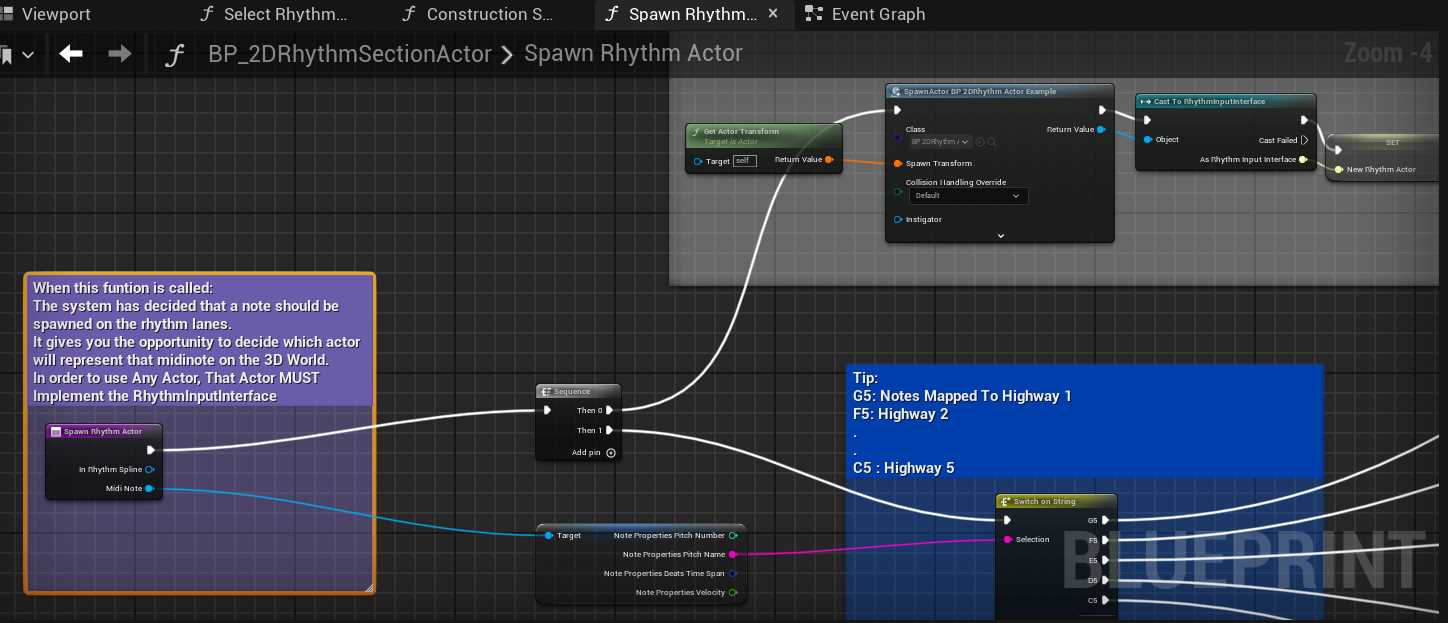

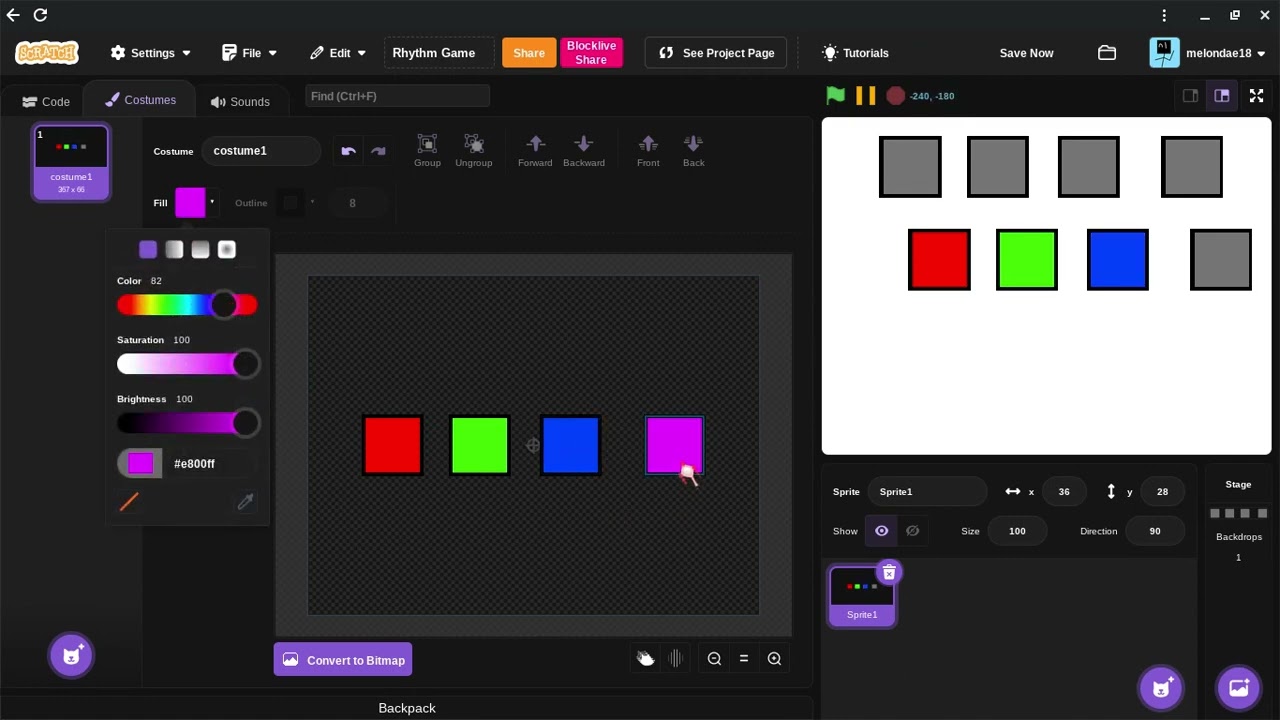

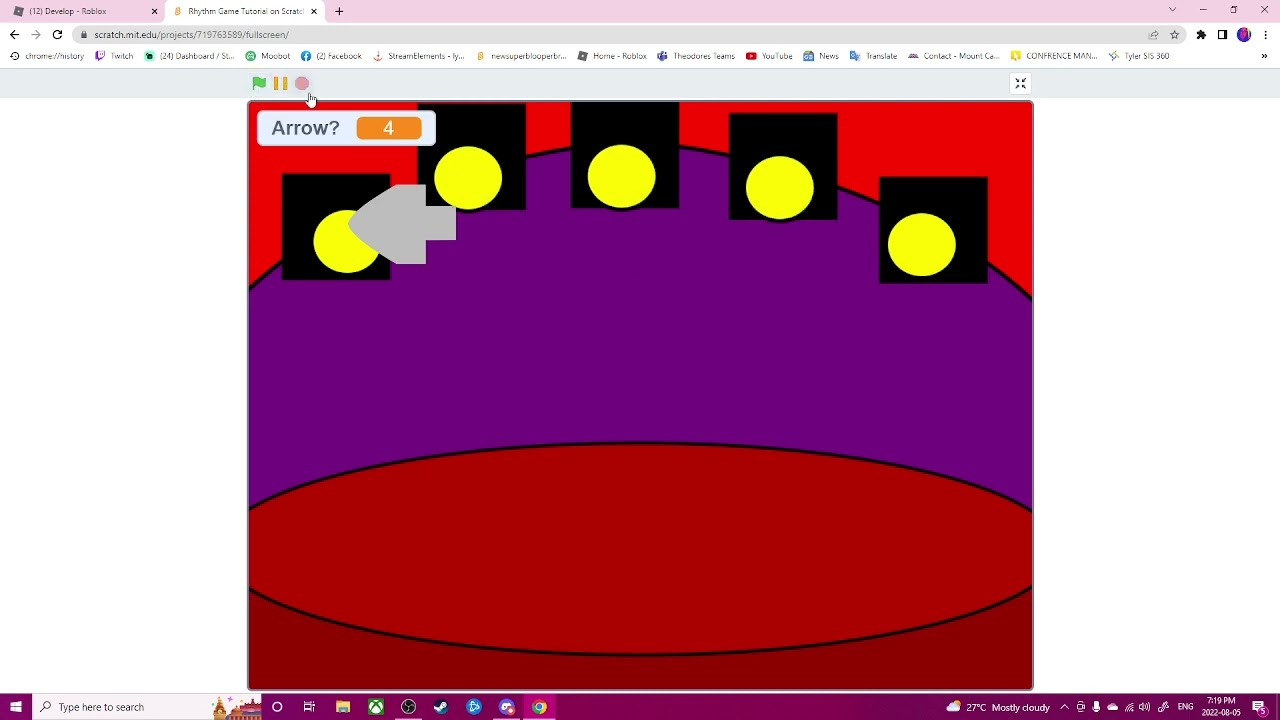
How To Make Rhythm Games In Unreal Engine Midi Engine . How To Make A Rhythm Game In Scratch EP1 On Beat YouTube . How To Make A Rhythm Game In Scratch Part 1 Setting Up Notes YouTube . Making A Rhythm Game On Scratch Is Easy Musical Masochism Devlog . How To Make A Rhythm Game In Scratch REMADE Part 1 YouTube


5 Game Rhythm Di Steam Yang Wajib Kamu Mainkan JETEX 5 1 . The ULTIMATE Rhythm Game Beginners Guide For Arcades YouTube . How To Make A Roblox Rhythm Game Part 4 YouTube . Rhythm Timeline 2 Rhythm Game Framework Editor By Dypsloom 7ade681a 0948 4a10 A6b9 . 8 Best Rhythm Game Controllers June 2026 For Osu And IIDX Best Rhythm Game Controllers 1024x559