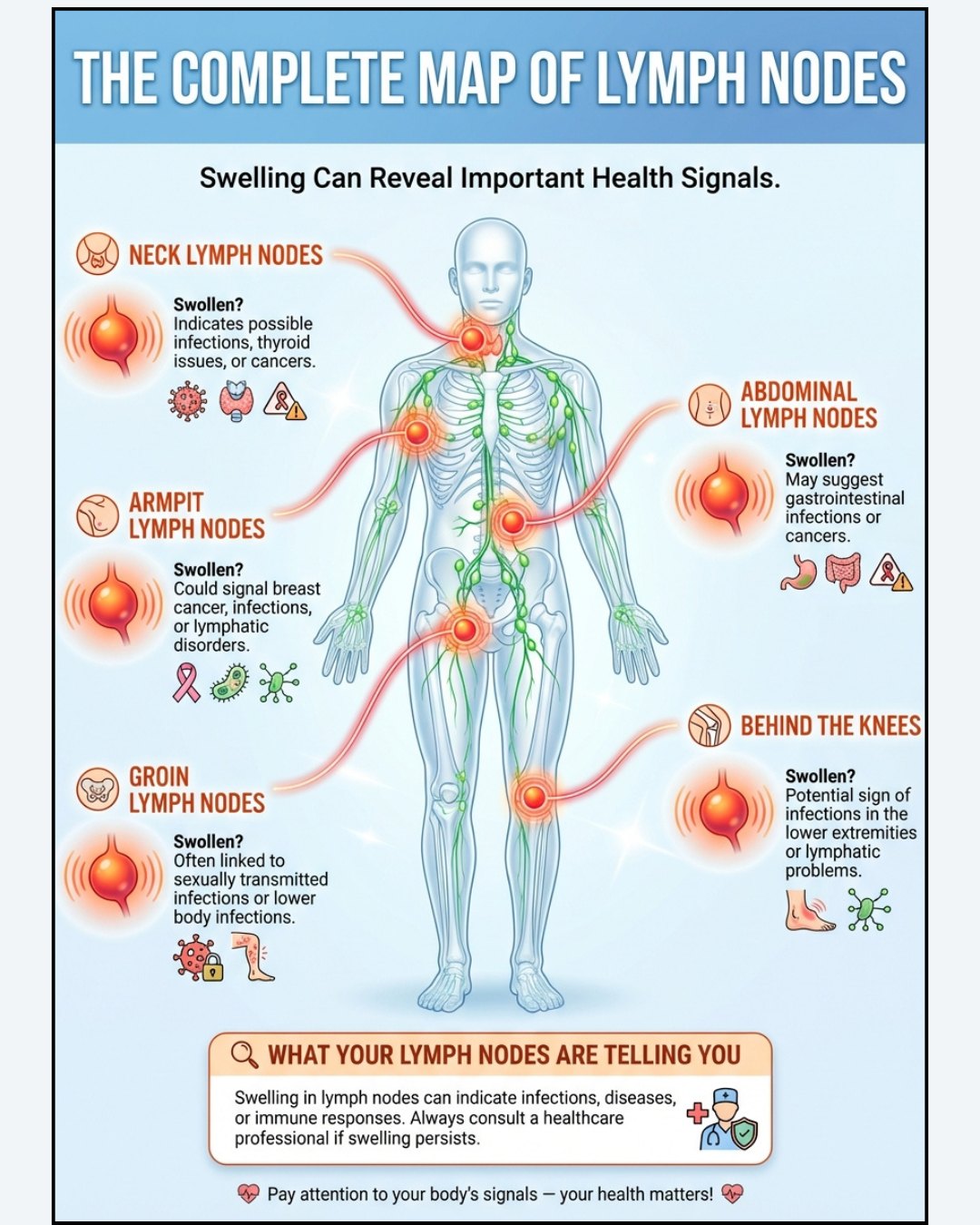


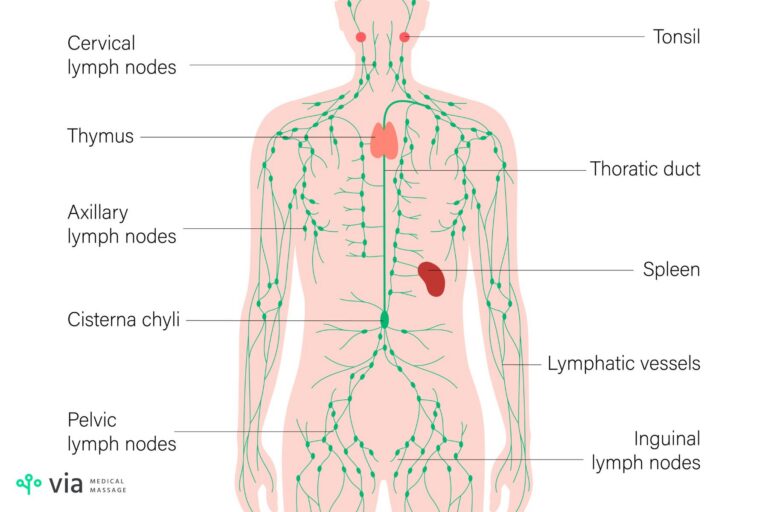


What is the primary purpose of a lymphatic map?
A lymphatic map visually outlines the lymphatic system, revealing lymph nodes and vessels. Its primary purpose involves diagnosing conditions like lymphedema, guiding surgical procedures, and staging cancer by identifying sentinel lymph nodes. This diagnostic tool provides crucial insights into lymphatic fluid flow and potential blockages, enabling specialists to devise precise treatment strategies. Physicians utilize this detailed anatomical information to enhance patient care.How does lymphatic mapping aid in cancer treatment?
Lymphatic mapping significantly aids cancer treatment by pinpointing the sentinel lymph node, the first node where cancer cells are most likely to spread from the primary tumor. Surgeons use this map to remove only necessary lymph nodes, minimizing complications like lymphedema while ensuring complete cancer staging. This targeted approach improves surgical accuracy and patient outcomes.Who performs lymphatic mapping procedures?
Typically, specialists in nuclear medicine, radiology, or oncology perform lymphatic mapping procedures. Nuclear medicine physicians administer the tracer and interpret the imaging results, often collaborating with surgeons who use the real-time guidance during operations. These medical professionals possess specialized training in imaging techniques and lymphatic system pathology, ensuring accurate diagnostic assessments.Is lymphatic mapping a painful procedure?
Lymphatic mapping is generally not considered painful. Patients might feel a slight pinch or pressure during the injection of the tracer, similar to a standard shot. The subsequent imaging, such as lymphoscintigraphy or SPECT/CT, involves lying still while the scanner works. Most individuals tolerate the procedure well, experiencing minimal discomfort, which quickly subsides.How long does a lymphatic mapping appointment take?
A lymphatic mapping appointment typically takes several hours. The initial tracer injection is quick, but imaging sessions can last from 30 minutes to a few hours, depending on the complexity and number of scans required. Sometimes, images are taken over several hours or even the next day to track tracer movement, providing a comprehensive view.Explore how to locate a lymphatic map specialist or service provider across the United States. This comprehensive guide details the significance of lymphatic mapping for diagnosing and managing various conditions, including lymphedema and cancer staging. Understand the procedure, what to expect during a lymphatic mapping session, and where to find certified clinics or hospitals offering this crucial diagnostic tool in your local area. Discover how this advanced medical imaging provides vital insights into your body's lymphatic system, aiding in personalized treatment plans. We cover key aspects from preparation to post-procedure care, ensuring you navigate your health journey with confidence and clarity. Find reliable information on local specialists, appointment scheduling, and understanding your results for informed healthcare decisions.
Questions & answers
What is a lymphatic map used for?
A lymphatic map helps visualize the body's lymphatic system, primarily used to diagnose lymphedema, identify sentinel lymph nodes in cancer staging, and guide surgical interventions. It reveals lymph vessel function and potential blockages, assisting physicians in planning precise treatments for various lymphatic conditions. This diagnostic tool is critical for effective patient management.
How is a lymphatic mapping procedure performed?
Lymphatic mapping involves injecting a radioactive tracer or blue dye near the area of concern. Over time, this substance travels through the lymphatic vessels to the nearest lymph nodes. Specialized imaging equipment, like a gamma camera, then detects the tracer's path and highlights the relevant lymph nodes, guiding surgeons during operations.
What are the benefits of lymphatic mapping?
The benefits of lymphatic mapping include precise disease staging, reduced invasiveness in cancer surgeries, and improved lymphedema diagnosis. It allows targeted removal of affected lymph nodes, minimizing complications, and offers crucial insights into lymphatic flow. This precision leads to better treatment outcomes and enhances patient recovery experiences.
Can lymphatic mapping detect lymphedema?
Yes, lymphatic mapping, particularly lymphoscintigraphy, can effectively detect lymphedema. It visualizes lymphatic fluid movement and identifies areas of impaired flow or accumulation, which are characteristic of lymphedema. This imaging helps determine the severity and location of lymphatic dysfunction, guiding appropriate management strategies.
Is lymphatic mapping covered by insurance in the US?
Lymphatic mapping is often covered by insurance in the U.S., especially when deemed medically necessary for conditions like cancer staging or lymphedema diagnosis. Coverage varies by insurance plan and provider. Patients should verify their specific benefits with their insurance company and consult with the performing facility regarding costs and billing.
How do I find a lymphatic mapping specialist near me?
To find a lymphatic mapping specialist near you, consult your primary care physician for referrals to nuclear medicine departments, oncology centers, or specialized lymphedema clinics. Online directories for hospitals or medical imaging centers often list available services. Always verify credentials and experience for optimal care.
Understanding the intricate network of your lymphatic system is a crucial step towards maintaining optimal health and addressing specific medical conditions. A lymphatic map serves as a vital diagnostic tool, offering a visual representation of your lymph nodes and vessels. This detailed insight is indispensable for identifying issues like lymphedema, tracking the spread of cancer, and guiding precise surgical interventions. For individuals in the United States, knowing how to access these specialized services can profoundly impact their healthcare journey and treatment outcomes.
This comprehensive guide delves into everything you need to know about lymphatic mapping, from its fundamental purpose to practical steps for locating a specialist near you. We aim to demystify the procedure, highlighting its importance in early diagnosis and personalized treatment planning. By equipping you with accurate, actionable information, we empower you to make informed decisions about your lymphatic health, ensuring you receive the best possible care across the nation.
What Exactly is a Lymphatic Map?
A lymphatic map is an advanced imaging technique that creates a visual representation of the lymphatic system, outlining lymph nodes and vessels. It meticulously tracks the flow of lymphatic fluid, revealing its pathways and identifying any abnormalities or blockages. This diagnostic tool employs various methods, including lymphoscintigraphy, indocyanine green (ICG) fluorescence angiography, or MRI lymphangiography, each offering unique insights into the system's architecture and function.
Specialists utilize lymphatic maps to precisely locate specific lymph nodes, such as the sentinel lymph node, which is the first node to receive drainage from a tumor and is crucial for cancer staging. Beyond oncology, these maps are invaluable for diagnosing and managing lymphedema, a chronic swelling condition caused by lymphatic system dysfunction. By visualizing impaired lymphatic flow, practitioners can tailor effective treatment strategies.
Understanding the intricacies of your lymphatic map provides a cornerstone for personalized medical care. It offers healthcare providers a clearer picture of your internal lymphatic landscape, enabling them to make more accurate diagnoses and develop targeted interventions. This detailed mapping ensures that treatments are not only effective but also minimize unnecessary interventions, improving overall patient recovery and long-term health prospects.
Why is Lymphatic Mapping So Important for Your Health?
Lymphatic mapping holds paramount importance in modern medicine for several compelling reasons. Primarily, it offers unparalleled precision in diagnosing and staging various diseases, most notably different types of cancer. By accurately identifying the sentinel lymph node, clinicians can determine if cancer cells have begun to spread, which directly influences treatment decisions and prognostic assessments. This targeted approach prevents the unnecessary removal of healthy lymph nodes, preserving lymphatic function and reducing post-operative complications.
Furthermore, lymphatic mapping is critical in the management of lymphedema, a debilitating condition characterized by chronic swelling. It allows specialists to visualize damaged or obstructed lymphatic pathways, providing vital information for developing tailored treatment plans, including specialized massage techniques, compression therapy, and surgical interventions. This detailed insight into the lymphatic system’s functionality helps alleviate symptoms and significantly improves patients’ quality of life by addressing the root cause of the swelling.
Ultimately, the detailed insights provided by a lymphatic map empower both patients and healthcare providers. It transforms a complex, often unseen bodily system into a tangible visual guide, enabling earlier intervention, more effective treatments, and better long-term health outcomes. For anyone facing lymphatic system challenges or cancer, understanding and utilizing this diagnostic tool is a pivotal step towards comprehensive and compassionate care.
How Do You Prepare for a Lymphatic Mapping Procedure?
Preparing for a lymphatic mapping procedure involves specific steps to ensure accurate results and a smooth experience. Your healthcare provider will provide detailed instructions, which typically include discussing your medical history, current medications, and any allergies. It is crucial to inform your doctor about any recent illnesses, skin infections, or previous surgeries in the area to be mapped, as these factors can influence the procedure's outcome or timing. You might need to discontinue certain medications, especially blood thinners, a few days before the appointment, under strict medical guidance.
On the day of the procedure, you will generally be advised to wear comfortable, loose-fitting clothing that allows easy access to the injection site. Depending on the type of mapping, you may be asked to fast for a certain period before the appointment. It is important to stay well-hydrated leading up to the procedure unless otherwise instructed, as this can facilitate clearer imaging. Bringing a list of questions or concerns to discuss with your medical team can also help alleviate anxiety and ensure all your queries are addressed before the mapping begins.
Arranging for transportation home, especially if sedation is involved or if you anticipate any discomfort, is a wise precautionary measure. While lymphatic mapping is generally minimally invasive, having a friend or family member accompany you can provide comfort and practical assistance. Following all pre-procedure guidelines meticulously is key to optimizing the diagnostic accuracy of the lymphatic map and ensuring your safety and comfort throughout the entire process.
What Should You Expect During a Lymphatic Mapping Session?
During a lymphatic mapping session, the process typically begins with the administration of a tracing substance. This usually involves a small injection of a radioactive tracer, a blue dye, or a combination of both, near the area of concern, often around a tumor or a suspected lymphedema site. While the injection may cause a brief, mild stinging sensation, it is generally well-tolerated. The substance then gradually travels through your lymphatic vessels, highlighting the pathways and nodes as it moves, which can take anywhere from minutes to several hours depending on the method and individual lymphatic flow.
Following the injection, you will undergo imaging using specialized equipment such as a gamma camera for lymphoscintigraphy, or a fluorescence imaging device for blue dye mapping. You will typically lie still on a table while the camera captures images of the tracer's progression through your lymphatic system. These images help identify the first draining lymph nodes, known as sentinel nodes, or visualize areas of lymphatic fluid accumulation and obstruction. The imaging portion of the procedure is non-invasive and painless, though maintaining stillness for extended periods may be required.
The duration of the entire session can vary significantly. Some procedures are completed within an hour, while others may require delayed imaging over several hours or even the following day to capture the full lymphatic drainage pattern. Throughout the process, medical staff will monitor you and provide instructions. Once imaging is complete, the tracing substance naturally exits your body. Your medical team will then interpret the detailed map to guide further diagnostic or therapeutic interventions, ensuring you understand the findings clearly.
Where Can I Find Lymphatic Mapping Services Near Me?
Finding lymphatic mapping services across the United States involves several reliable avenues to ensure you receive expert care. A primary step is consulting your current healthcare provider, such as your primary care physician or oncologist. They can offer direct referrals to specialized nuclear medicine departments, comprehensive cancer centers, or dedicated lymphedema clinics within their network. These referrals often streamline the appointment process and ensure continuity of care, connecting you with trusted local specialists who are familiar with your medical history and specific needs.
For those seeking options independently, online health directories and hospital websites prove invaluable resources. Major hospital systems and university medical centers often list their advanced diagnostic services, including lymphatic mapping (lymphoscintigraphy, ICG angiography, etc.), on their websites. Searching terms like “lymphatic mapping near me,” “lymphoscintigraphy US,” or “lymphedema diagnosis clinics” can yield relevant results. Always prioritize facilities accredited by recognized medical bodies, as this often indicates higher standards of patient care and technological capability, enhancing your confidence in the services provided.
Furthermore, national organizations dedicated to lymphedema or cancer support often maintain databases of specialized clinics and practitioners. These organizations can provide a curated list of providers, complete with contact information and service details, making your search more efficient and targeted. When contacting facilities, inquire about their specific lymphatic mapping techniques, physician expertise, appointment availability, and insurance coverage details to ensure a seamless and informed experience throughout your diagnostic journey.
What Questions Should I Ask My Doctor About Lymphatic Maps?
When discussing lymphatic maps with your doctor, asking targeted questions ensures you gain a comprehensive understanding of the procedure and its implications for your health. Start by clarifying why a lymphatic map is recommended for your specific condition. Understanding the diagnostic goal, whether it's for cancer staging, lymphedema evaluation, or another purpose, helps contextualize the information. Inquire about the specific type of lymphatic mapping technique they plan to use, such as lymphoscintigraphy or ICG fluorescence, and what each method entails in terms of procedure and results.
Next, focus on practical aspects and potential outcomes. Ask about how to prepare for the procedure, including any dietary restrictions or medication adjustments, and what you should expect during and immediately after the mapping session. It is also vital to understand the potential risks, side effects, or discomforts associated with the procedure, however minimal. Furthermore, clarify how long it will take to receive the results and who will interpret them, ensuring you know the follow-up process and how these findings will influence your ongoing treatment plan or diagnosis.
Finally, address questions regarding the interpretation of the results and their impact on your health. Ask what the map will reveal about your lymphatic system, how these findings correlate with your symptoms or diagnosis, and what the next steps in your treatment journey will be. Don't hesitate to inquire about alternative diagnostic methods or second opinions if you feel it's necessary. Empowering yourself with thorough questions helps ensure you are fully informed and confident in the medical decisions being made regarding your lymphatic health.
Key highlights
lymphatic map USA, find lymphatic mapping near me, lymphatic system map procedure, what is lymphatic mapping, lymphedema diagnosis US, lymphatic drainage mapping, lymphatic node localization, understanding lymphatic pathways