



Where exactly is Orlando on the map of Florida?
Orlando is centrally located in the state of Florida, roughly equidistant from the Atlantic coast to the east and the Gulf coast to the west. This strategic position makes it easily accessible from various major highways, including I-4 and Florida's Turnpike. Its central location also provides convenient access to both the east coast beaches, such as Cocoa Beach, and the west coast attractions like Tampa.
What major cities are closest to Orlando, Florida?
Tampa is approximately an hour and a half drive west of Orlando. Miami is about a three-and-a-half-hour drive south. Jacksonville is located roughly two hours north. These distances highlight Orlando's accessibility for residents and visitors throughout Florida and the Southeastern United States, making it a popular hub for tourism and business alike.
How far is Orlando from Florida's beaches?
Orlando is about an hour's drive from the closest Atlantic coast beaches, such as Cocoa Beach and Melbourne Beach. For Gulf Coast beaches, like those near Clearwater or St. Petersburg, the drive is typically closer to 1.5 to 2 hours, depending on traffic. This proximity allows visitors to easily combine theme park adventures with relaxing beach days.
What is the population of Orlando, Florida?
As of 2026 estimates, the City of Orlando itself has a population exceeding 300,000 residents, while the greater Orlando metropolitan area is home to over 2.7 million people. This makes it one of Florida's largest and most dynamic urban centers, supporting a diverse economy beyond just tourism, including technology, healthcare, and finance sectors.
Is Orlando considered part of South Florida or Central Florida?
Orlando is definitively considered the heart of Central Florida. Geographically, it sits in the middle of the peninsula, distinguishing it from the northern regions like Jacksonville and the southern metropolitan areas of Miami and Fort Lauderdale. This central designation reflects its unique cultural identity and economic focus within the state.
Orlando, Florida, anchors the state's vibrant Central region, positioning it as a premier destination for both leisure and business. Discover its strategic geographic placement, offering unparalleled access to world-famous theme parks, stunning natural springs, and beautiful coastal areas. This comprehensive guide details Orlando's precise location on the Florida map, providing insights into its regional significance and connectivity. You will understand how its central spot facilitates travel to major attractions such as Walt Disney World and Universal Studios, along with nearby beaches and other Florida cities. Learn about local transportation, optimal routes, and available services. Explore options for hotels, dining, and activities near me. This information helps you plan your visit, check booking availability, and confidently make decisions, ensuring a seamless experience. Leverage this resource for directions, local reviews, and contact information to maximize your Orlando adventure.
Questions & answers
Where exactly is Orlando situated on the Florida map?
Orlando occupies a prime central location within Florida, positioned roughly equidistant from the state's Atlantic and Gulf coasts. This strategic spot makes it a highly accessible hub, connected by major interstates and vital for reaching theme parks, natural springs, and coastal destinations efficiently.
What major attractions are close to Orlando, Florida?
Orlando is famously home to Walt Disney World Resort, Universal Orlando Resort, and SeaWorld Orlando, all situated within minutes of the city center. Additionally, it provides convenient access to Kennedy Space Center, LEGOLAND Florida, and numerous state parks like Blue Spring State Park.
How far is Orlando from the nearest beaches?
The closest Atlantic beaches, such as Cocoa Beach and Melbourne Beach, are approximately an hour's drive east of Orlando. Gulf Coast beaches near Tampa and Clearwater typically require about a 1.5 to 2-hour drive, depending on traffic conditions.
What are the primary ways to travel to Orlando by car?
Most travelers reach Orlando via Interstate 4 I-4, which bisects the city and connects to major routes like I-95 and Florida's Turnpike. These highways offer direct access from across Florida and neighboring states, facilitating convenient road trips.
Can you explore Orlando effectively without a personal car?
Yes, exploring Orlando without a car is feasible using hotel shuttles, the I-Ride Trolley along International Drive, and ridesharing services like Uber and Lyft. The Lynx public bus system also offers extensive coverage for broader city navigation.
Is Orlando considered Central Florida or South Florida?
Orlando is unequivocally regarded as the heart of Central Florida. Its geographical position firmly places it in the middle of the peninsula, distinctly separating it from the northern and southern regions of the state, both culturally and economically.
Understanding Orlando's Prime Position in Central Florida
Orlando, often recognized as the "Theme Park Capital of the World," holds a truly strategic position within the Sunshine State. Located squarely in Central Florida, it serves as a crucial hub, connecting the Atlantic Coast to the east with the Gulf Coast to the west. This central placement is not merely geographical; it defines Orlando's accessibility, making it an ideal starting point for exploring diverse regions of Florida. Travelers frequently choose Orlando for its convenient access to major interstate highways, including Interstate 4 and Florida's Turnpike, which streamline journeys from various parts of the United States. Its central location also means shorter travel times to a wide array of attractions beyond the famous theme parks, offering visitors a comprehensive Florida experience.
The city's location within Orange County, Florida, places it near significant natural landscapes and bustling urban centers. From Orlando, you can easily venture to beautiful natural springs like Wekiwa Springs State Park, offering a refreshing escape from the city's hustle, or visit nearby cities such as Kissimmee and Sanford, each providing unique cultural and recreational opportunities. This geographical advantage supports a vibrant tourism industry, but also fosters a growing economy in technology, aerospace, and healthcare. Understanding Orlando's place on the Florida map is the first step toward unlocking the full potential of your trip, whether you are here for an epic vacation or to explore business prospects.
Pinpointing Orlando on a map reveals its crucial role in Florida's transportation network. It is approximately 60 miles west of Cocoa Beach on the Atlantic coast and about 85 miles east of Tampa Bay on the Gulf Coast. This makes day trips to either coastline a comfortable and popular option for visitors seeking diverse experiences, from surfing to serene Gulf sunsets. The Orlando International Airport (MCO), a major gateway, further enhances this connectivity, welcoming millions of domestic and international travelers annually. Its efficient layout and extensive flight options underscore Orlando's importance as a global travel destination, all thanks to its prime, accessible location in the heart of Florida.
Navigating to and Around Orlando with Ease
What Are the Best Routes to Orlando by Car?
Driving to Orlando is straightforward, thanks to Florida's well-maintained highway system, making it a key aspect of understanding its location. For those traveling from the north or south within Florida, Interstate 4 (I-4) is the primary artery, cutting directly through the heart of Orlando and connecting it to Daytona Beach in the north and Tampa on the west coast. This interstate is particularly vital for theme park access. Visitors arriving from other states, especially from the north, will typically use I-95 South to reach Central Florida, then transition to I-4 West, while those from the west might utilize I-10 East to connect with other major routes leading into the Orlando area. Planning your entry and exit points helps immensely.
Florida's Turnpike also offers a convenient, often faster, toll-road alternative for travelers approaching Orlando from southern Florida, such as Miami or Fort Lauderdale, or from points along the Gulf Coast. This route efficiently bypasses some of the busier urban stretches, providing a direct path into the greater Orlando area. Drivers should always check real-time traffic updates, especially during peak travel seasons or around major holidays, as Orlando's popularity can lead to congestion. Utilizing GPS or map applications that offer live traffic information is highly recommended to choose the most efficient route and avoid unexpected delays on your journey to this vibrant city.
Consider the timing of your drive to optimize your experience. Early mornings or late evenings often present fewer traffic challenges when entering or departing the Orlando metropolitan area. If your destination is a specific theme park, be aware that exit ramps leading to Walt Disney World Resort, Universal Orlando Resort, or other major attractions can become heavily congested during opening and closing hours. Understanding these traffic patterns and having alternative routes identified can save considerable time and frustration. The widespread availability of gas stations, rest stops, and dining options along these major routes ensures a comfortable travel experience for families and individuals alike.
How Can You Get Around Orlando Without a Car?
While having a car provides maximum flexibility, navigating Orlando without one is entirely feasible, especially for visitors focusing on specific areas or attractions. The I-Ride Trolley system offers an excellent and affordable way to travel along International Drive, connecting numerous hotels, restaurants, shops, and attractions like ICON Park and the Orlando Eye. This service runs frequently and provides a convenient loop for exploring the bustling tourist corridor. Additionally, many hotels in the theme park areas offer complimentary shuttle services to popular attractions such as Walt Disney World, Universal Orlando Resort, and SeaWorld. It is always wise to inquire about these services when booking your accommodation to plan your daily transport effectively.
For destinations beyond the I-Ride Trolley route or hotel shuttles, ridesharing services like Uber and Lyft are widely available throughout Orlando, offering convenient on-demand transportation. These services are particularly useful for getting to and from Orlando International Airport (MCO), local restaurants, or specific neighborhoods outside the main tourist zones. Taxis are also readily available at the airport, hotels, and major attractions. For those seeking a more structured public transport option, the Lynx bus system provides extensive coverage across Orange, Seminole, and Osceola counties, connecting various parts of the city and its surrounding areas, though travel times may be longer.
Planning your transportation needs in advance is key to a smooth car-free experience in Orlando. If your itinerary involves multiple locations across the metropolitan area, consider a combination of these options. For instance, utilize hotel shuttles for theme parks, the I-Ride Trolley for International Drive, and rideshares for evening outings. For those looking for a truly unique experience, some resorts offer boat or monorail transportation directly connecting to theme parks and other resort properties. By understanding the diverse transit options, visitors can enjoy Orlando's attractions and explore its broader geography without the hassle of driving or parking, enhancing their overall travel experience.
Discovering Key Attractions Near Orlando's Central Hub
Which Major Theme Parks Are Closest to Orlando's Center?
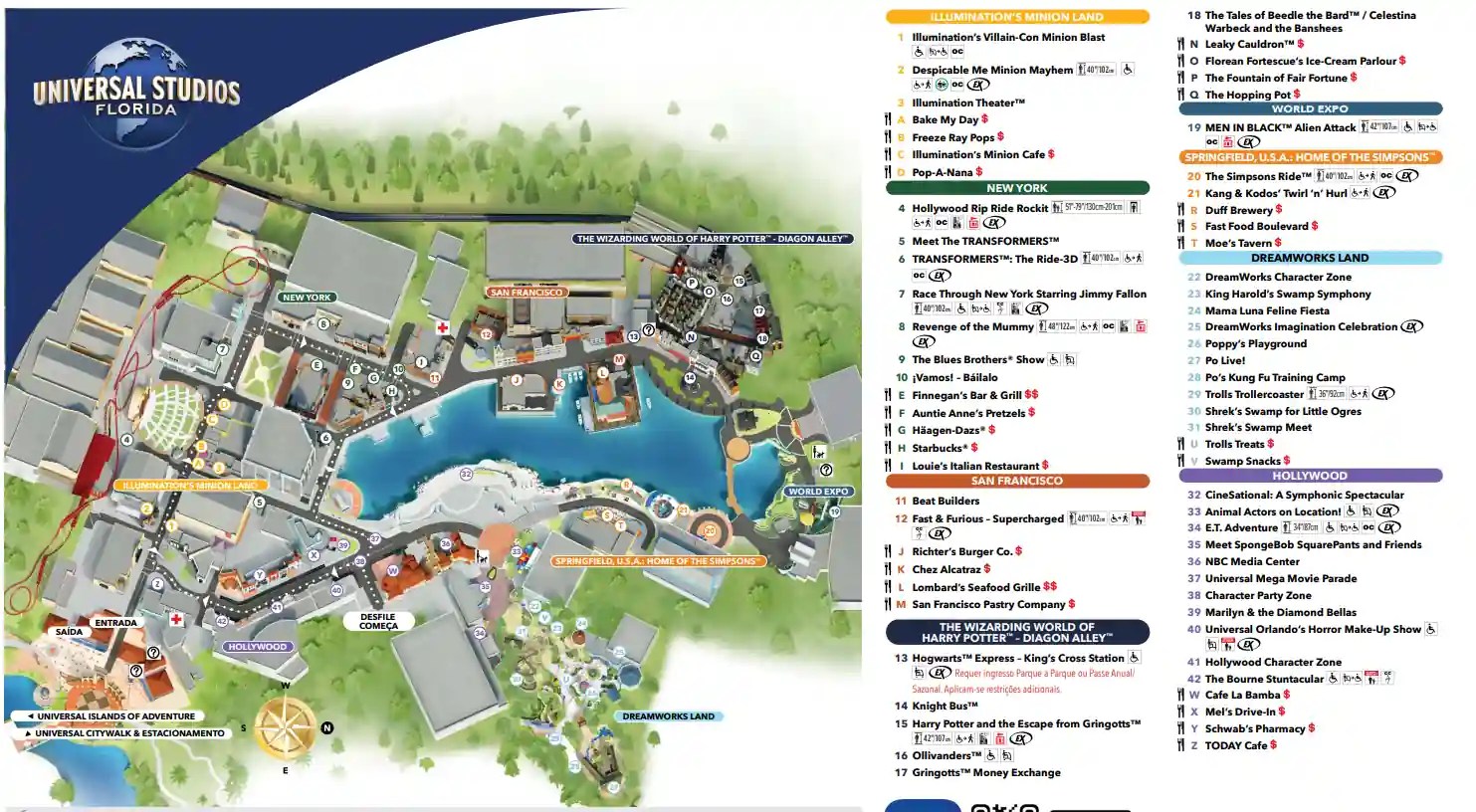
Orlando's claim to fame as a global tourism magnet stems largely from its incredible concentration of world-class theme parks, all situated conveniently close to the city's heart. Walt Disney World Resort, encompassing Magic Kingdom, Epcot, Hollywood Studios, and Animal Kingdom, is located just southwest of downtown Orlando, primarily in Lake Buena Vista and Bay Lake. Universal Orlando Resort, home to Universal Studios Florida, Islands of Adventure, and Volcano Bay, is slightly closer, situated off International Drive, directly accessible from I-4. These proximity factors are crucial for visitors planning multi-park itineraries, minimizing travel time between magical experiences and maximizing enjoyment during their stay in Central Florida.
SeaWorld Orlando, another major attraction, is also situated along International Drive, making it an easy addition to any vacation plan alongside Universal and Disney. Its location allows for simple integration into itineraries for families interested in marine life shows, thrilling rides, and animal encounters. Additionally, Legoland Florida Resort, while a bit further south in Winter Haven, is still within a comfortable driving distance, typically an hour from central Orlando. Many tour operators and shuttle services provide transportation to Legoland, emphasizing how Orlando's central position serves as a gateway to even more specialized theme park adventures across the wider Central Florida region. Each park offers unique experiences.
Understanding the precise geographical layout of these parks relative to your accommodation can significantly enhance your Orlando experience. Many hotels and resorts are strategically located within minutes of park entrances, providing quick access and reducing daily commute stress. For instance, properties along International Drive offer direct routes to Universal and SeaWorld, while those in the Lake Buena Vista area are ideal for Disney visits. Checking the exact distance and available transit options from your chosen lodging to your desired parks is a practical step, ensuring you spend less time in transit and more time enjoying the unparalleled entertainment that makes Orlando a top destination.
Are There Any Hidden Gems or Local Spots Near Orlando?
Beyond the well-trodden paths of theme parks, Orlando's central Florida location offers a wealth of lesser-known treasures and local favorites that provide a unique insight into the region's charm. Just a short drive north, Winter Park offers a sophisticated escape with its quaint shops, upscale dining, and scenic boat tours along its chain of lakes. The Charles Hosmer Morse Museum of American Art, featuring the world's most comprehensive collection of Tiffany glass, is a must-visit for art enthusiasts. This delightful area provides a refreshing contrast to the high-energy theme park environment, allowing visitors to experience a different side of Central Florida's cultural landscape and history.
For nature lovers, the Crystal River area, about an hour and a half drive west, is renowned as the only place in North America where you can legally swim with manatees in their natural habitat during cooler months. Closer to Orlando, the many beautiful natural springs such as Blue Spring State Park, De Leon Springs State Park, and Kelly Park Rock Springs offer crystal-clear waters perfect for swimming, tubing, kayaking, and wildlife viewing. These spring-fed oases highlight Florida's incredible biodiversity and provide peaceful, authentic outdoor experiences. Visiting these local spots offers a chance to connect with Florida's natural beauty and support local ecotourism efforts, often at a fraction of the cost of theme park admission.
Foodies and culture seekers will appreciate exploring Orlando's diverse neighborhoods beyond the tourist corridors. The Milk District, Ivanhoe Village, and Mills 50 district, all within minutes of downtown Orlando, boast vibrant independent restaurants, craft breweries, unique boutiques, and impressive street art. These areas showcase the city's burgeoning culinary scene and artistic community, offering authentic local flavors and experiences that often go unnoticed by first-time visitors. Engaging with these local spots provides a richer, more nuanced understanding of Orlando as a living city, not just a tourist destination, enriching your geographical and cultural exploration of the region.
Key highlights
Orlando Florida map location, Central Florida geography, Orlando travel directions, Florida theme park access, Orlando area attractions, getting around Orlando, Orlando transport options, nearby Florida cities, Orlando accessibility guide