


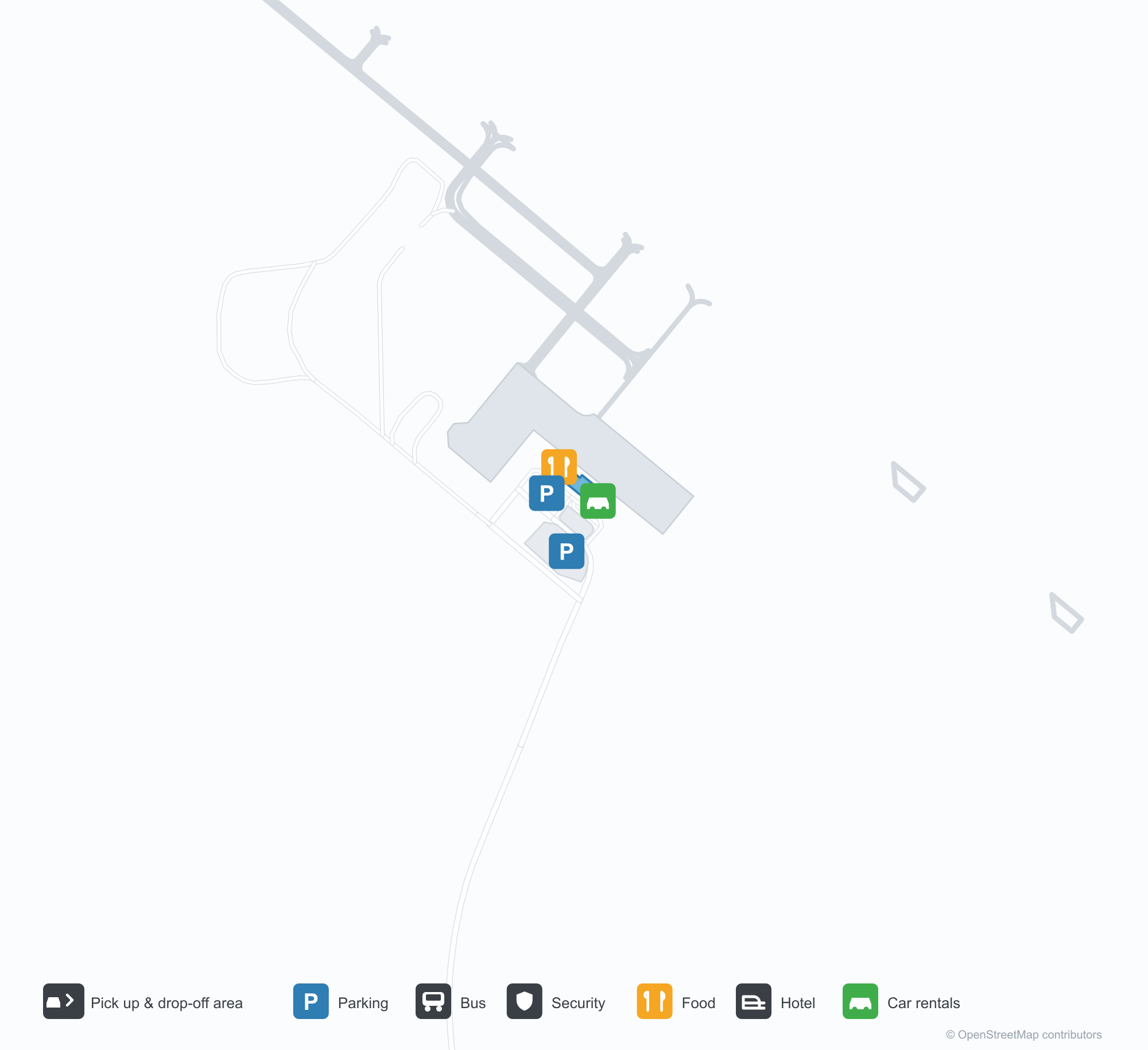





How do I find my gate at a U.S. airport?
To find your gate at a U.S. airport, first check your boarding pass for the terminal and gate number. Then, consult the airport's official website or mobile app for the most current gate map. Look for large digital displays or physical maps within the terminal for real-time directions and estimated walking times. Information desks can also provide direct assistance.
What information do gate maps provide?
Gate maps provide detailed layouts of airports, stadiums, or large venues, showing specific gates, terminals, concourses, and entry points. They also highlight amenities such as restrooms, dining facilities, retail shops, security checkpoints, and ground transportation links. This comprehensive information aids U.S. visitors in efficient navigation and trip planning.
Are digital gate maps reliable for U.S. travel?
Yes, digital gate maps are highly reliable for U.S. travel, especially those provided by official airport or venue websites and mobile apps. They often include real-time updates for gate changes, flight information, and estimated walking times. Always ensure you are using the most current version from a trusted source for accurate navigation.
Can I use a gate map to find services near my gate?
Absolutely. Gate maps are excellent for locating services like restaurants, coffee shops, charging stations, and restrooms conveniently situated near your assigned gate. Many maps provide icons or labels for these amenities, helping U.S. travelers quickly access what they need without extensive searching throughout the terminal or venue.
Where can I get a physical gate map at an airport?
At U.S. airports, you can typically obtain a physical gate map at information desks, airline counters, or sometimes near security checkpoints. Many airports also have large, static map displays throughout the terminals. If preferred, consider printing a map from the official airport website before your arrival for convenience.
What if my gate changes unexpectedly?
If your gate changes, U.S. airports and airlines typically update digital display boards throughout the terminal and send alerts via their mobile apps or text messages if you've opted in. Always monitor these updates and check with airline staff or information desks if you're unsure about the new gate location.
Navigate U.S. airports, stadiums, and major venues with ease by utilizing a gate map. This essential guide helps you locate specific gates, terminals, and crucial amenities, ensuring a stress-free experience. Discover how to access current gate maps through official websites, mobile apps, or physical displays at locations near you. Understanding these detailed layouts is vital for saving time, avoiding missed connections, and finding services like restrooms, dining, and transportation efficiently. Learn what to check before you arrive, how to interpret symbols, and common mistakes to avoid for seamless navigation. Whether you are traveling for business, leisure, or attending a live event across the United States, an accurate gate map empowers you to make confident decisions and arrive at your destination on time. Explore practical tips for leveraging gate maps to enhance your journey, ensuring you know exactly where to go and what to expect upon arrival.
Questions & answers
How do I find my gate at a U.S. airport?
To find your gate at a U.S. airport, check your boarding pass for the terminal and gate number. Then, consult the airport's official website or mobile app for a current gate map. Look for digital displays or physical maps within the terminal for real-time directions and estimated walking times. Information desks can also assist directly.
What information do gate maps provide?
Gate maps detail layouts of airports, stadiums, or venues, showing specific gates, terminals, concourses, and entry points. They highlight amenities like restrooms, dining, retail, security checkpoints, and transportation. This comprehensive information guides U.S. visitors for efficient navigation and trip planning, enhancing their overall experience within the facility.
Are digital gate maps reliable for U.S. travel?
Yes, digital gate maps are highly reliable for U.S. travel, especially those from official airport or venue websites and mobile apps. They often include real-time updates for gate changes, flight information, and estimated walking times. Always use the most current version from a trusted source for accurate navigation and a seamless journey.
Can I use a gate map to find services near my gate?
Absolutely. Gate maps are excellent for locating services like restaurants, coffee shops, charging stations, and restrooms conveniently near your assigned gate. Many maps provide icons or labels for these amenities, helping U.S. travelers quickly access what they need without extensive searching throughout the terminal or venue, optimizing their time.
Where can I get a physical gate map at an airport?
At U.S. airports, you can typically get a physical gate map at information desks, airline counters, or near security checkpoints. Many airports also have large, static map displays throughout the terminals for quick reference. Consider printing a map from the official airport website beforehand for added convenience during your journey.
What if my gate changes unexpectedly?
If your gate changes, U.S. airports and airlines typically update digital display boards in the terminal and send alerts via mobile apps or text messages. Always monitor these updates and check with airline staff or information desks immediately if you are unsure about the new gate location to ensure a smooth transition.
Navigating large, bustling facilities like major U.S. airports, expansive stadiums, or complex event venues can often feel overwhelming without the right guidance. A gate map serves as your essential navigational blueprint, providing a clear visual representation of these intricate spaces. This crucial tool helps you pinpoint specific gates, terminals, and key areas with precision, transforming what could be a stressful experience into a streamlined journey. Understanding how to effectively access and utilize these maps is paramount for any traveler or visitor across the United States, ensuring you arrive at your destination promptly and confidently.
Gate maps are designed to simplify complex layouts, offering detailed information that goes beyond just directing you to your flight or event entrance. They highlight essential amenities, security checkpoints, ground transportation options, and even dining establishments, allowing for comprehensive trip planning. By familiarizing yourself with these maps, you can minimize uncertainty, reduce anxiety, and optimize your time within any large facility. This article will provide an authoritative, deeply informative guide based on gate maps, focusing on unique recommendations and practical transit tips for a seamless U.S. experience.
Understanding Gate Maps for Seamless Navigation
What Exactly is a Gate Map?
A gate map is a detailed diagram illustrating the layout of an extensive facility, such as an airport, convention center, or sports arena, primarily focusing on entry and exit points, specific gates, and internal pathways. Its core purpose is to guide visitors efficiently through complex environments, minimizing confusion and saving valuable time. These maps often include critical landmarks, designated zones like terminals or concourses, and operational details vital for smooth transitions, making them indispensable for navigation across diverse U.S. locations.
These comprehensive tools clarify complicated structures by showing routes to essential services, including security checkpoints, baggage claim areas, restrooms, and various dining or shopping options. Whether you are rushing to catch a connecting flight or seeking your seat at a large event, an accurate gate map empowers you to understand the flow of the facility. This detailed guidance ensures a more predictable and less stressful experience, allowing users to move with purpose and confidence in any major U.S. hub.
Gate maps are available in multiple formats, ranging from large, static displays at physical entrances to highly interactive digital versions accessible on smartphones or official venue websites. Many prominent U.S. airports and event centers offer downloadable gate maps or integrate them directly into their official mobile applications. Always prioritize obtaining the most current version, as layouts can frequently change due to renovations, security updates, or operational adjustments, directly impacting your navigational strategy and overall visit.
Why is Having a Gate Map Important for Your Trip?
Possessing a gate map is crucial for transforming a potentially chaotic travel or event experience into an organized and enjoyable one. Without a clear guide, navigating vast facilities can lead to significant delays, missed connections, and elevated stress levels. A precise gate map enables you to meticulously plan your route, accurately estimate walking times between points, and quickly locate your specific gate or section, which is particularly beneficial in time-sensitive scenarios common across busy U.S. locations.
Beyond merely guiding your path, gate maps often provide critical information regarding security checkpoints, emergency exits, and accessibility features. This aspect is vital for ensuring personal safety and accommodating the needs of all travelers, including those with mobility challenges. Understanding the facility's layout before your arrival means you can identify the most convenient and secure pathways, thereby significantly enhancing your overall experience and reducing potential anxieties related to navigating unfamiliar territories.
Furthermore, comprehensive gate maps go beyond basic navigation by highlighting essential amenities such as restrooms, diverse dining establishments, retail stores, charging stations, and information desks. For U.S. travelers or event attendees, knowing the precise location of these services greatly improves comfort and convenience. Whether you need a quick meal, wish to purchase last-minute items, or require assistance, a detailed gate map acts as your ultimate guide to making the most of your time within any large venue.
How to Effectively Use and Locate a Gate Map
Where Can I Find Official Gate Maps?
To ensure you have the most accurate and up-to-date navigational information, always begin your search for gate maps on official sources. The official website of the airport, stadium, or event venue you plan to visit is invariably the best starting point. Most reputable U.S. facilities provide current, downloadable gate maps, often in PDF format, or offer interactive online versions that can be easily accessed. Look for dedicated sections like “Maps,” “Directions,” “Terminals,” or “Guest Services” on their homepage, as these typically lead directly to their comprehensive navigational aids.
Many major U.S. airports and prominent event venues also feature dedicated mobile applications that integrate interactive gate maps. These apps are incredibly useful, often providing real-time updates on gate changes, estimated walking times between points, and even turn-by-turn directions within the facility. Upon your arrival, seek out digital kiosks or large information screens strategically positioned throughout the venue. These touchpoints typically display dynamic gate maps, helping you orient yourself and confirm your route on the spot, ensuring you stay informed.
Despite the prevalence of digital tools, physical gate maps and clear, directional signage remain important navigational aids. Keep an eye out for large, prominently displayed maps near facility entrances, at security checkpoints, and throughout terminals or concourses. If you find yourself in need of further assistance or prefer a paper copy, information desks staffed by helpful personnel are readily available in most U.S. venues. They can provide physical maps, offer personalized directions, and answer any specific questions you may have about your destination.
What Should I Check on a Gate Map Before My Arrival?
Before embarking on your journey, meticulously review the gate map to ensure a seamless experience. This proactive step is vital for navigating sprawling U.S. airports or complex event venues without last-minute stress. Confirming crucial details like your terminal and specific gate number in advance is paramount, as misidentification can lead to significant delays and missed connections, especially in high-traffic hubs where swift movement is essential for timely arrivals and departures.
Beyond your direct destination, prioritize locating key amenities and services that will enhance your comfort and efficiency. Understanding where restrooms, diverse dining options, retail shops, and charging stations are positioned allows for strategic planning of stops. For instance, knowing the nearest coffee shop or family restroom can make a substantial difference, particularly when traveling with children or during extended layovers within U.S. facilities, contributing positively to your overall experience.
To optimize your pre-arrival review, focus on these essential elements highlighted on your gate map:
- Terminal and Concourse Labels: Clearly identify your specific terminal and any connecting concourses, which are often labeled with letters or numbers for easy navigation.
- Gate Numbers: Locate your exact gate, understanding its position relative to security checkpoints and other critical areas for direct access.
- Security Checkpoints: Pinpoint the closest security lines and understand their access procedures, a crucial step for timely processing in U.S. travel.
- Essential Amenities: Find restrooms, diverse dining options, retail shops for last-minute needs, charging stations, and accessible information desks.
- Transportation Connections: Identify efficient pathways to ground transportation, shuttle stops, or necessary connections for subsequent legs of your journey.
- Accessibility Features: Look for clear indicators of elevators, escalators, and accessible routes, ensuring comfortable movement for all visitors.
Finally, utilize the gate map to accurately plan your route from arrival to your final destination, factoring in realistic walking times. Many modern digital maps now offer estimated transit durations, which are invaluable for busy U.S. travelers. Consider any transfers between concourses or levels, and identify moving walkways or other aids that can expedite your passage. This comprehensive review prevents rushes and ensures a relaxed, confident start to your travel or event experience, allowing you to maximize your time efficiently.
Choosing the Right Gate and Avoiding Common Mistakes
How to Interpret Gate Map Symbols and Features?
Effectively interpreting the array of symbols and features found on gate maps is key to seamless navigation, particularly in unfamiliar U.S. locations. Gate maps universally employ standardized icons to represent various facilities and services. Familiarize yourself with symbols for restrooms, elevators, stairs, escalators, information desks, first aid stations, and dining establishments. Security checkpoints typically have distinct markers, as do transportation links such as shuttle stops, taxi stands, or subway access points. Recognizing these common visual cues enables rapid interpretation, allowing you to navigate efficiently without constant reliance on textual descriptions.
Understanding the hierarchical designations of terminals and concourses is also critical, especially in sprawling facilities. Larger U.S. airports, for instance, are often segmented into multiple terminals, which may be further subdivided into concourses or piers, each housing numerous gates. The map will clearly label these divisions using letters, numbers, or specific names. Grasping this organizational structure is paramount for pinpointing your exact gate; knowing you need “Terminal 3, Concourse C, Gate 42” immediately narrows your focus and streamlines your journey, preventing unnecessary detours and confusion.
Furthermore, more advanced digital gate maps may display dynamic operational information, such as current wait times for security, real-time gate changes, or potential flight delays. While not all maps offer this level of detail, these features are incredibly valuable in busy U.S. travel hubs. Additionally, be aware of symbols indicating restricted access areas or staff-only zones, ensuring you remain within public pathways. Paying close attention to these comprehensive operational details ensures a more informed, safer, and ultimately smoother navigation experience throughout your visit.
What Common Mistakes Should You Avoid When Using a Gate Map?
One of the most frequent and detrimental mistakes when using a gate map is relying on outdated information. Facility layouts, gate assignments, and the locations of services are subject to frequent changes due to ongoing renovations, operational adjustments, or new developments. Always make it a priority to consult the most current version directly from the official venue website or its dedicated mobile application. For U.S. travelers, cross-referencing information with real-time updates from official sources is crucial to prevent misdirection and ensure accurate navigation on the day of your visit, safeguarding against unexpected changes.
Another common pitfall is significantly underestimating the transit times required to move between gates or different sections within a vast complex. In sprawling environments like major U.S. airports, the walking distance between gates, even within the same terminal, can be considerable and time-consuming. Many individuals fail to allocate sufficient time, especially if carrying luggage, traveling with children, or navigating tight connections. Always build in ample buffer time, and consult the map’s scale or any provided estimated walking times to plan realistically and avoid frantic rushing, which can heighten stress and lead to errors.
Lastly, neglecting to fully utilize the map’s local search signals and accessibility features can lead to avoidable inconveniences. For example, if you require a wheelchair ramp, specific assistance, or accessible restrooms, these crucial details are often highlighted on comprehensive gate maps. Similarly, overlooking “near me” services like specific dining options or charging stations can mean missing out on convenience. Always consider your personal needs and leverage the map’s full potential to find relevant U.S. resources, ensuring a comfortable, efficient, and well-supported journey throughout your time at the facility.
FAQ
How do I find my gate at a U.S. airport?
To find your gate at a U.S. airport, first check your boarding pass for the terminal and gate number. Then, consult the airport's official website or mobile app for the most current gate map. Look for large digital displays or physical maps within the terminal for real-time directions and estimated walking times. Information desks can also provide direct assistance.
What information do gate maps provide?
Gate maps provide detailed layouts of airports, stadiums, or large venues, showing specific gates, terminals, concourses, and entry points. They also highlight amenities such as restrooms, dining facilities, retail shops, security checkpoints, and ground transportation links. This comprehensive information aids U.S. visitors in efficient navigation and trip planning.
Are digital gate maps reliable for U.S. travel?
Yes, digital gate maps are highly reliable for U.S. travel, especially those provided by official airport or venue websites and mobile apps. They often include real-time updates for gate changes, flight information, and estimated walking times. Always ensure you are using the most current version from a trusted source for accurate navigation.
Can I use a gate map to find services near my gate?
Absolutely. Gate maps are excellent for locating services like restaurants, coffee shops, charging stations, and restrooms conveniently situated near your assigned gate. Many maps provide icons or labels for these amenities, helping U.S. travelers quickly access what they need without extensive searching throughout the terminal or venue.
What if my gate changes unexpectedly?
If your gate changes, U.S. airports and airlines typically update digital display boards throughout the terminal and send alerts via their mobile apps or text messages if you've opted in. Always monitor these updates and check with airline staff or information desks if you're unsure about the new gate location.
Are gate maps helpful for finding parking?
While primary gate maps focus on internal navigation, many larger U.S. facilities provide integrated maps that also show parking structures and their proximity to various terminals or entrances. Look for comprehensive venue maps online that combine gate details with parking information to plan your arrival effectively.
Key highlights
find airport gate map, stadium gate layout, event venue navigation, locate specific gate, campus gate directions, parking gate access, security gate map, terminal gate information, U.S. travel planning, local venue maps